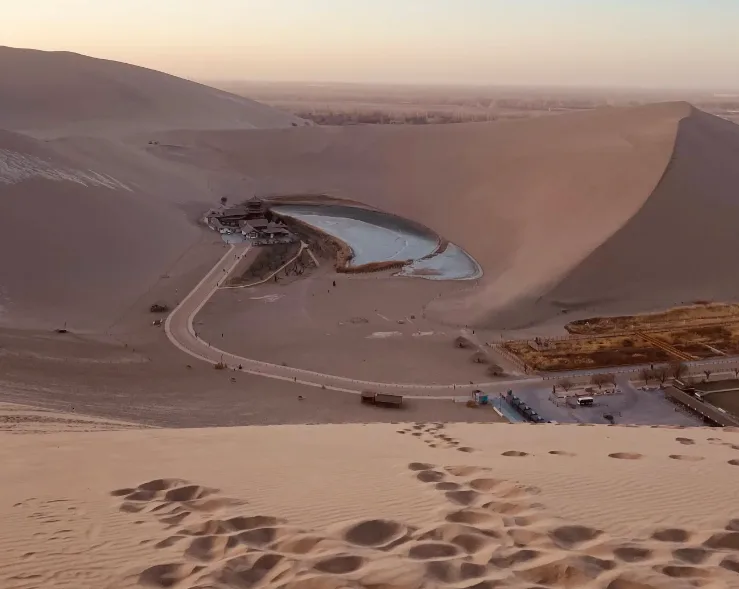
Photo: Chinese Mountains
Mingsha Mountain
Ming Sha Shan
Golden sand dunes with a crescent moon lake an oasis in the Gobi Desert
About Mingsha Mountain
Mingsha Mountain is a sea of golden sand dunes rising 200m above the Gobi Desert. Crescent Moon Lake a spring-fed oasis has survived 2,000 years of desert encroachment. Silk Road caravans once watered camels here.
Mountain Facts
Cultural Significance
A desert oasis that supported Silk Road travelers for 2,000 years.
Highlights
- • Crescent Moon Lake oasis
- • Camel riding
- • Sand sliding down dunes
- • Sunset photography
- • Mogao Caves nearby
When to Go
May-June and September-October are ideal: 15-30 C days, cool evenings, and the dunes at their most comfortable for walking. Summer (July-August) is intense — surface sand hits 50-60 C by noon, so visits are practical only in the early morning or after 5 PM; the sunset camel caravans are a nightly spectacle but the crowds peak at that hour. Spring (March-April) brings wind and occasional sandstorms — check the forecast and pack a face scarf; the day after each storm has exceptional light. Winter (November-February) is cold (daytime 0-10 C) but magical: the lake freezes shallowly, the dunes are nearly empty, and the low winter sun draws long shadows across the sand. The single best hour is the last hour before sunset, when Crescent Moon Lake reflects gold. The park adjusts opening hours seasonally — for sunset visits, enter 3 hours before closing.
How to Get There
By Air: Fly to Dunhuang Mogao International Airport (DNH) — direct flights from Beijing (3h), Xi'an (2h), Lanzhou (1.5h), and Chengdu, with peak-season connections from Shanghai and Guangzhou. By Train: Dunhuang Station is served by the Dunhuang Railway (overnight from Lanzhou, 8-9 hours; 6 hours from Xining), and the Lanzhou-Xinjiang high-speed line stops at Liuyuan, 130km away (2h by connecting bus). Getting There: Mingsha is only 6km south of Dunhuang city — bus 3 from the city center (CNY 2) or a 15-minute taxi (CNY 20-30). It pairs perfectly with the Mogao Caves (10km east): the classic itinerary is Mogao in the morning, Mingsha at sunset. Entry Fee: CNY 120, valid for 3 days with a second entry; camel rides CNY 100 per loop; sand sliding and ATV tours extra. No guide needed — the dunes are easy to explore independently, and the western rim of the scenic area is quieter than the main valley.
Frequently Asked Questions
Why has the lake never been buried? +
Can I combine with Mogao Caves? +
What should I wear and bring to the dunes? +
Is it worth staying for sunset or camping? +
Is Crescent Moon Lake natural and can I swim? +
You May Also Like
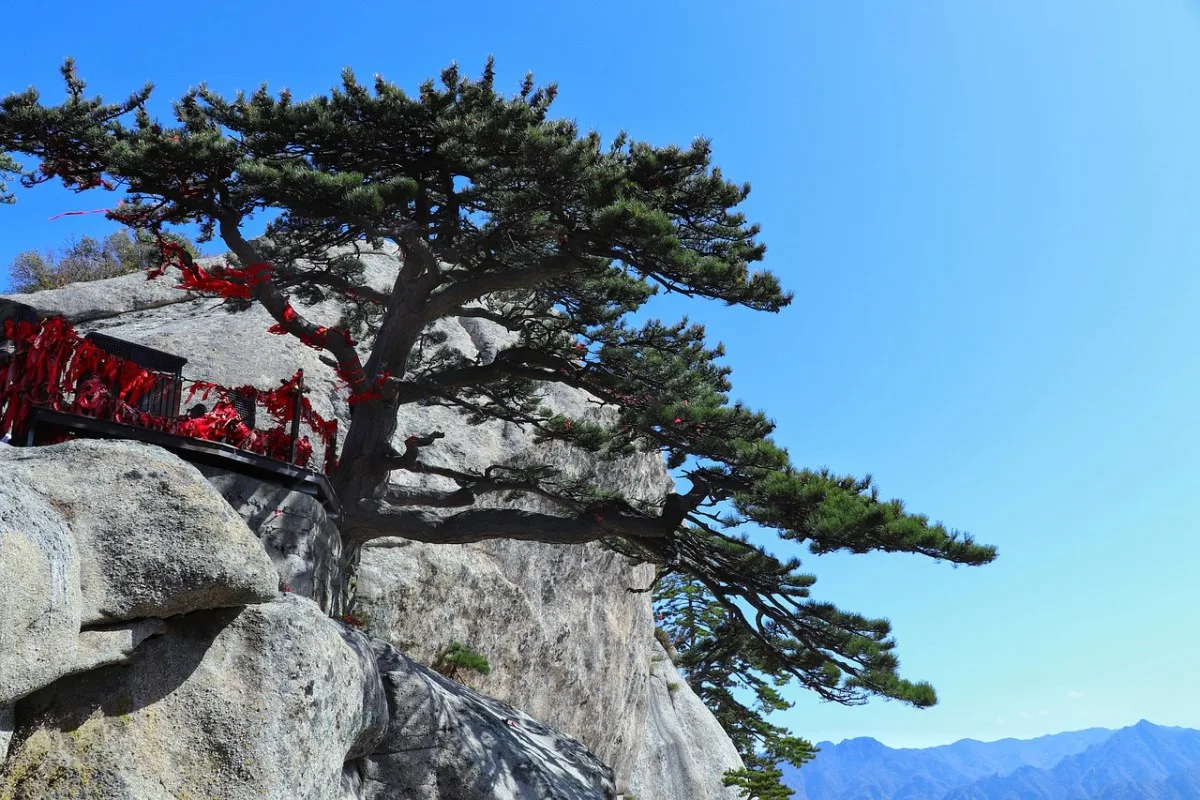
Mount Hua
Hua Shan · Shaanxi
The world's most dangerous hike — plank walks on sheer cliff faces
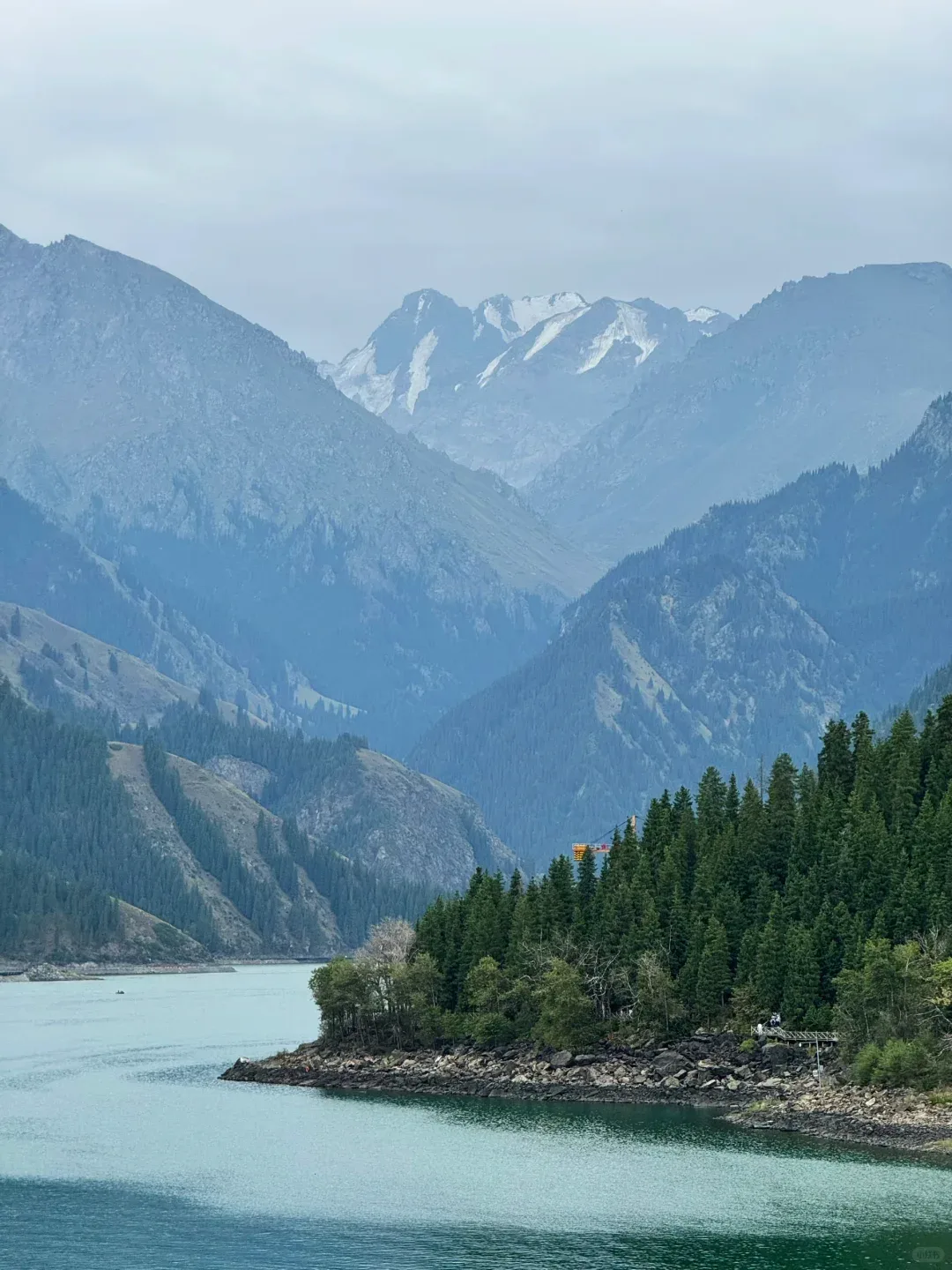
Tianshan Mountains
Tianshan · Xinjiang
The Heavenly Mountains along the ancient Silk Road
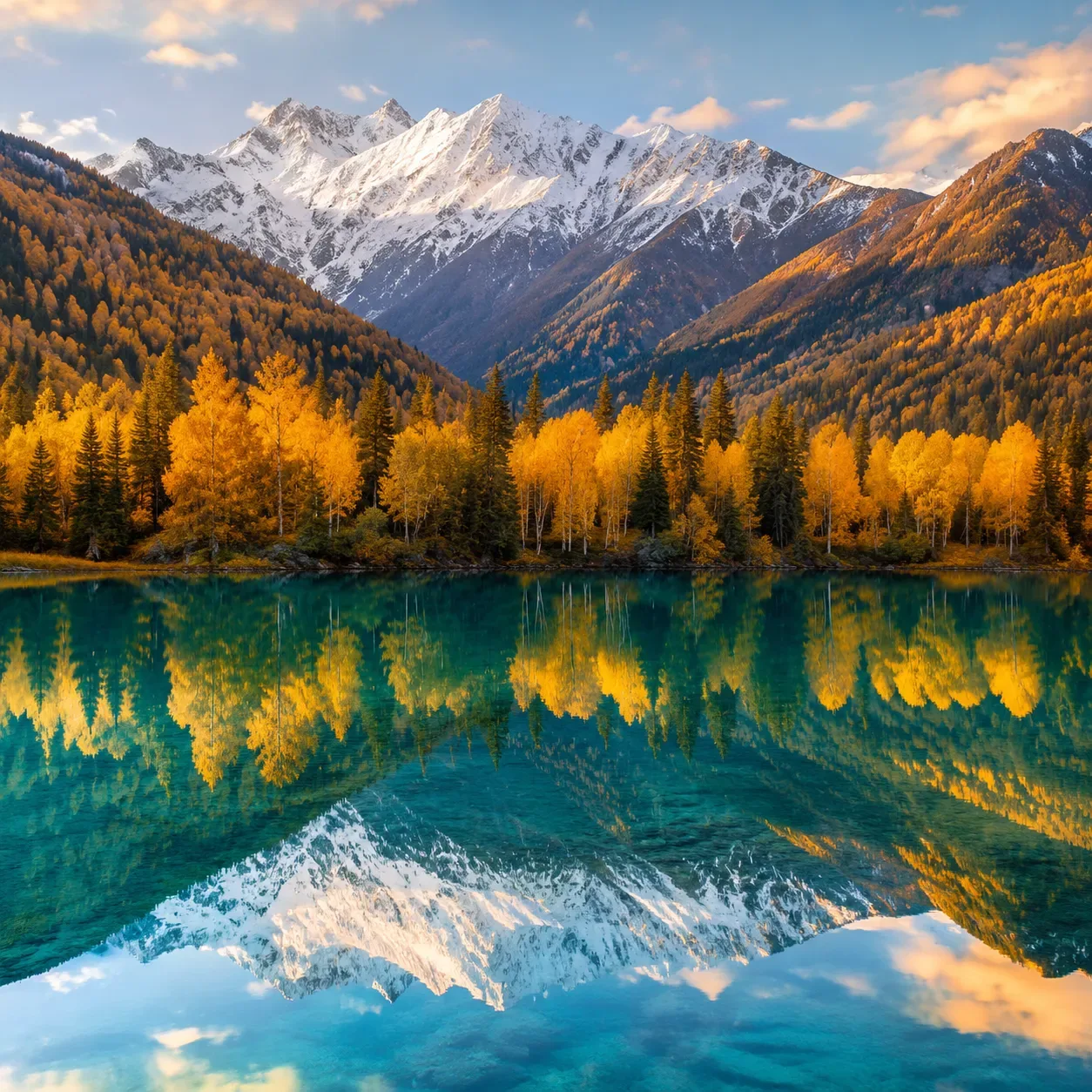
Kanas Nature Reserve
Ka Na Si · Xinjiang
Alpine lakes and golden forests in China’s far northwest — the Swiss Alps of Xinjiang