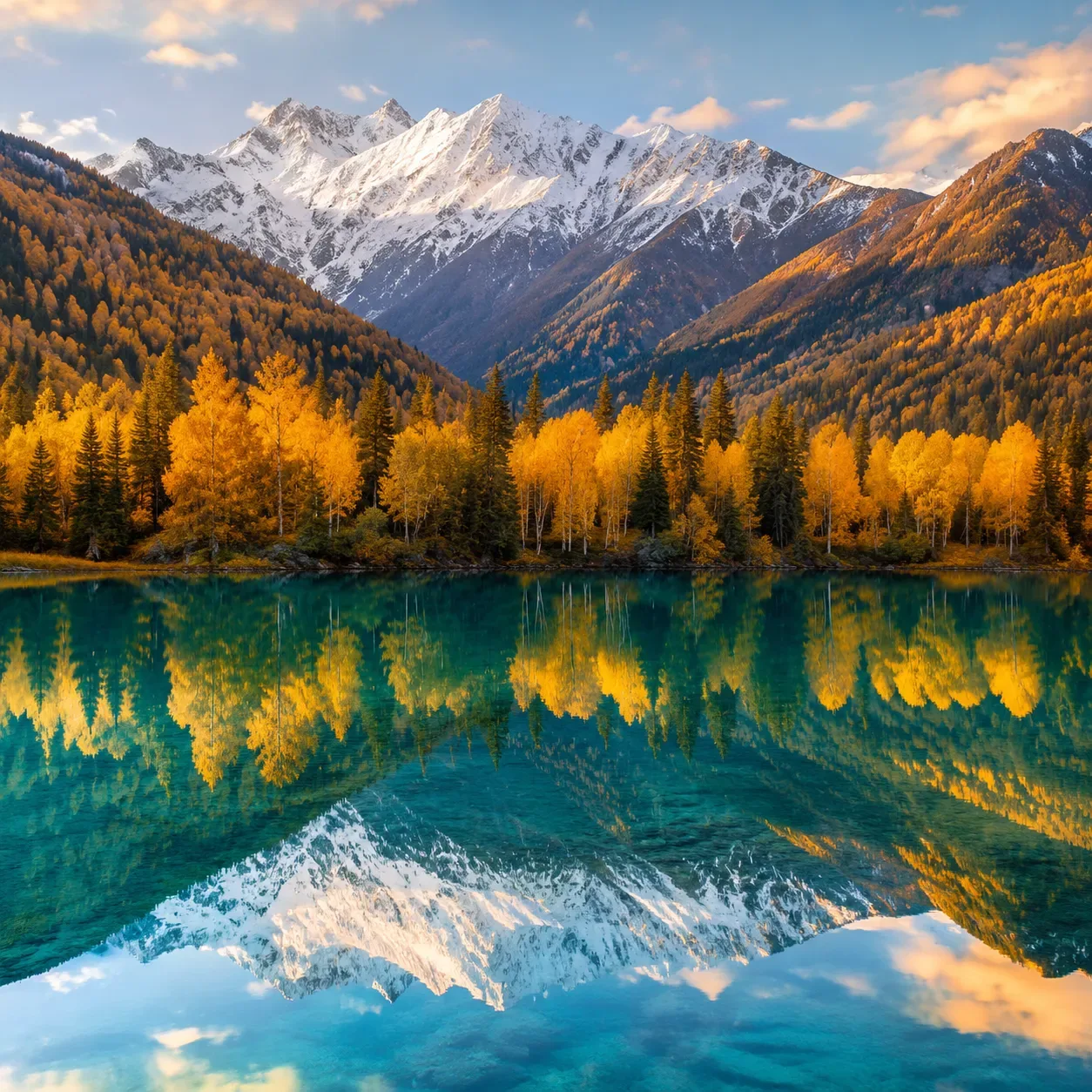
Photo: Chinese Mountains
Kanas Nature Reserve
Ka Na Si
Alpine lakes and golden forests in China’s far northwest — the Swiss Alps of Xinjiang
About Kanas Nature Reserve
Kanas is not a single mountain but an entire alpine ecosystem tucked into the Altai Mountains where China meets Kazakhstan, Russia, and Mongolia. The centerpiece is Kanas Lake — a crescent of impossibly turquoise water fed by glaciers, surrounded by forests of Siberian larch and birch that explode into gold every September. The area is home to ethnic Tuva people, whose wooden cabins dot the valleys and whose throat singing echoes across alpine meadows. It feels less like China and more like a lost corner of Siberia or the Swiss Alps, complete with snow-capped peaks reflecting in glassy water.
Mountain Facts
Cultural Significance
One of the last remaining stretches of Siberian taiga forest in China, home to Tuva herders who practice a unique throat-singing tradition. The lake’s turquoise color changes with the seasons due to glacial mineral content.
Highlights
- • Kanas Lake boat cruise beneath 3,000m peaks
- • Guanyu Pavilion viewpoint — 1,060 steps to the best panorama
- • Moon Bay and Dragon Bay — the lake’s most photogenic bends
- • Hemu Village — wooden Tuva cabins in a mountain valley
- • Fish-Watching Pavilion trail for lake monster lore
When to Go
Late September to early October: The golden week. Birch forests turn brilliant yellow, larch trees glow amber, and the first snow dusts the peaks — all reflected in turquoise water. This is the peak photography window and also the busiest. June-August: Green meadows, wildflowers, comfortable temperatures (15-28 C), but the lake color is less vivid. May and October: Shoulder season with fewer crowds and lower prices but some services reduced. The reserve closes to general visitors from November through April due to heavy snow.
How to Get There
Fly to Kanas Airport (KJI) from Urumqi (1.5h), then 1-hour drive to the reserve entrance. Alternatively, fly to Altay Airport (AAT) and drive 5 hours through spectacular mountain scenery. No train reaches the area. All visitors must take shuttle buses inside the reserve. Accommodation ranges from basic guesthouses in the reserve to resorts in Jiadengyu at the entrance. Book months ahead for autumn season.
Frequently Asked Questions
Is the Kanas Lake Monster real? +
What makes the lake so blue? +
Can I visit Kanas independently? +
How cold does it get at Kanas? +
Is Kanas worth the travel effort? +
What cultural experiences are available? +
How many days do I need at Kanas? +
You May Also Like
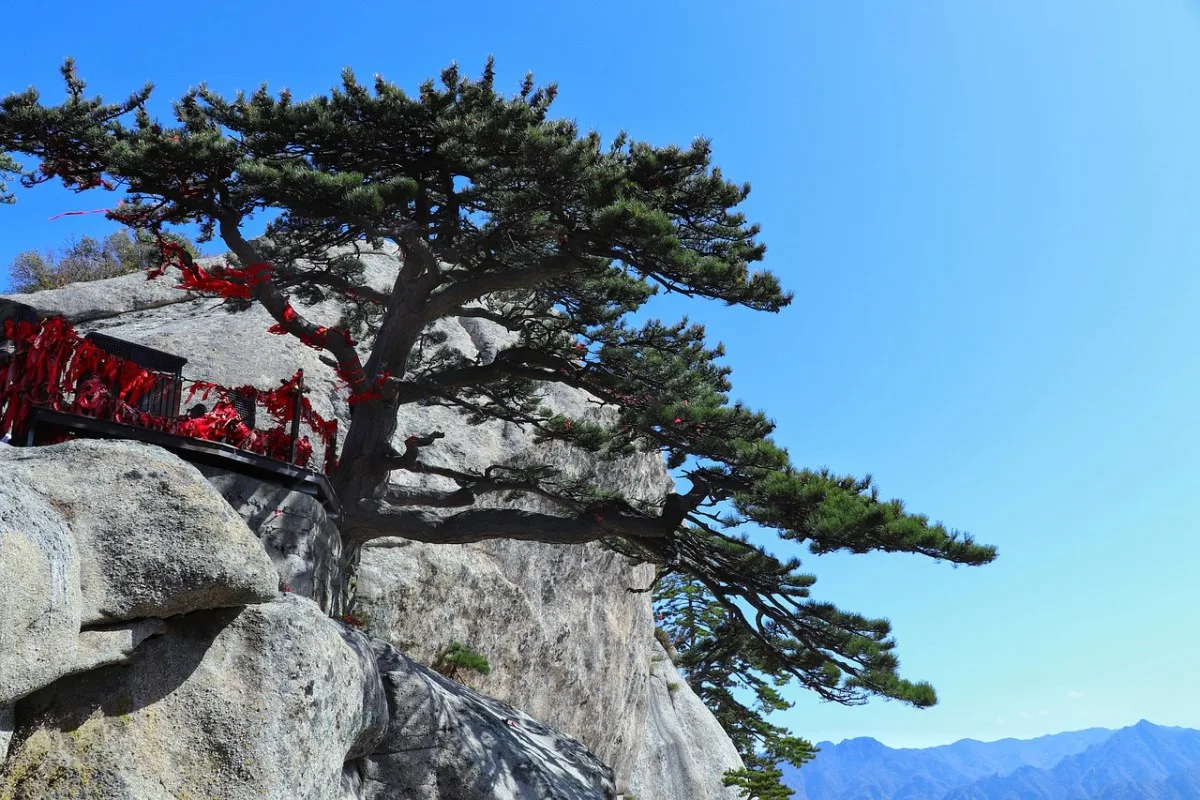
Mount Hua
Hua Shan · Shaanxi
The world's most dangerous hike — plank walks on sheer cliff faces
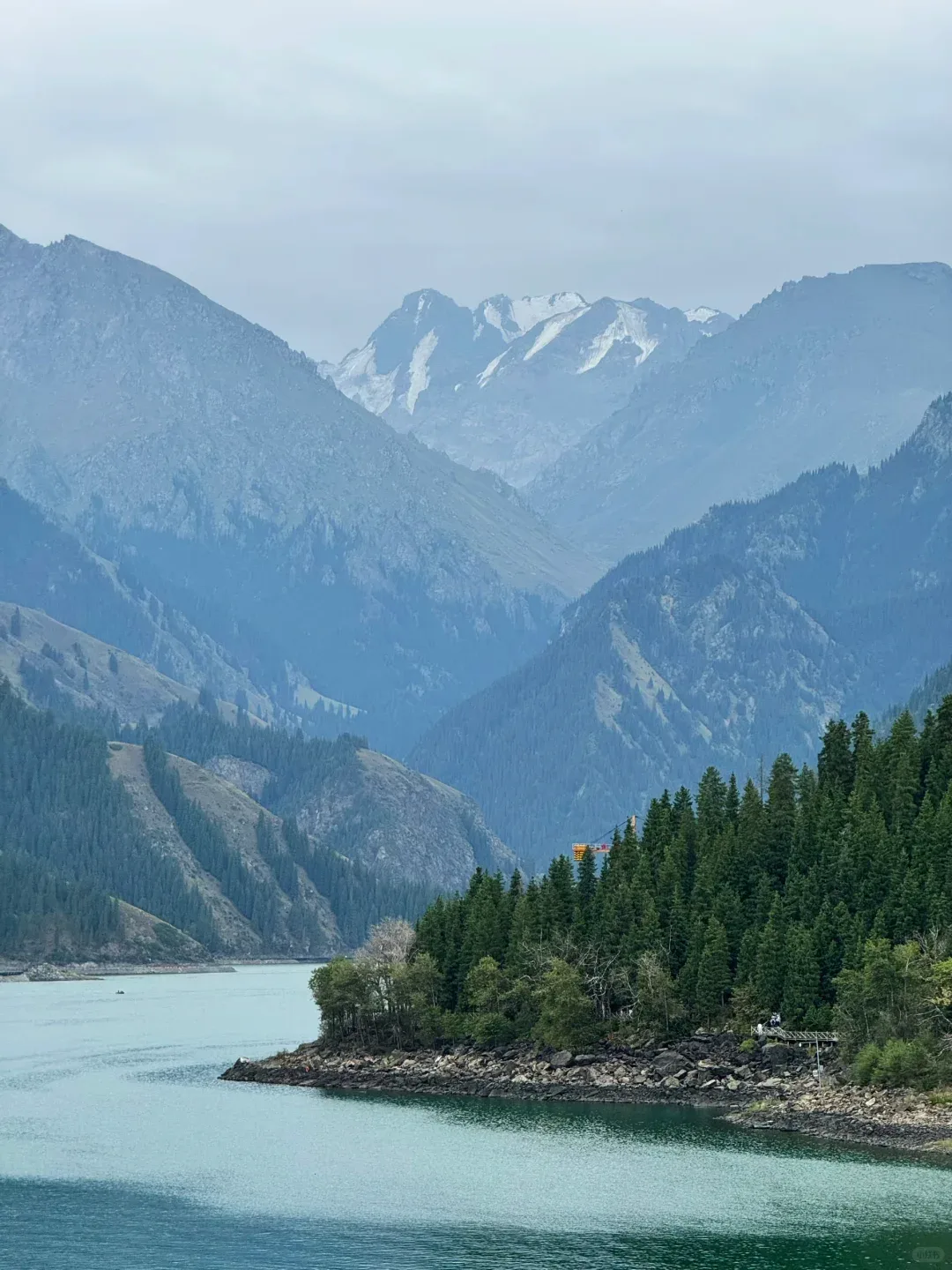
Tianshan Mountains
Tianshan · Xinjiang
The Heavenly Mountains along the ancient Silk Road
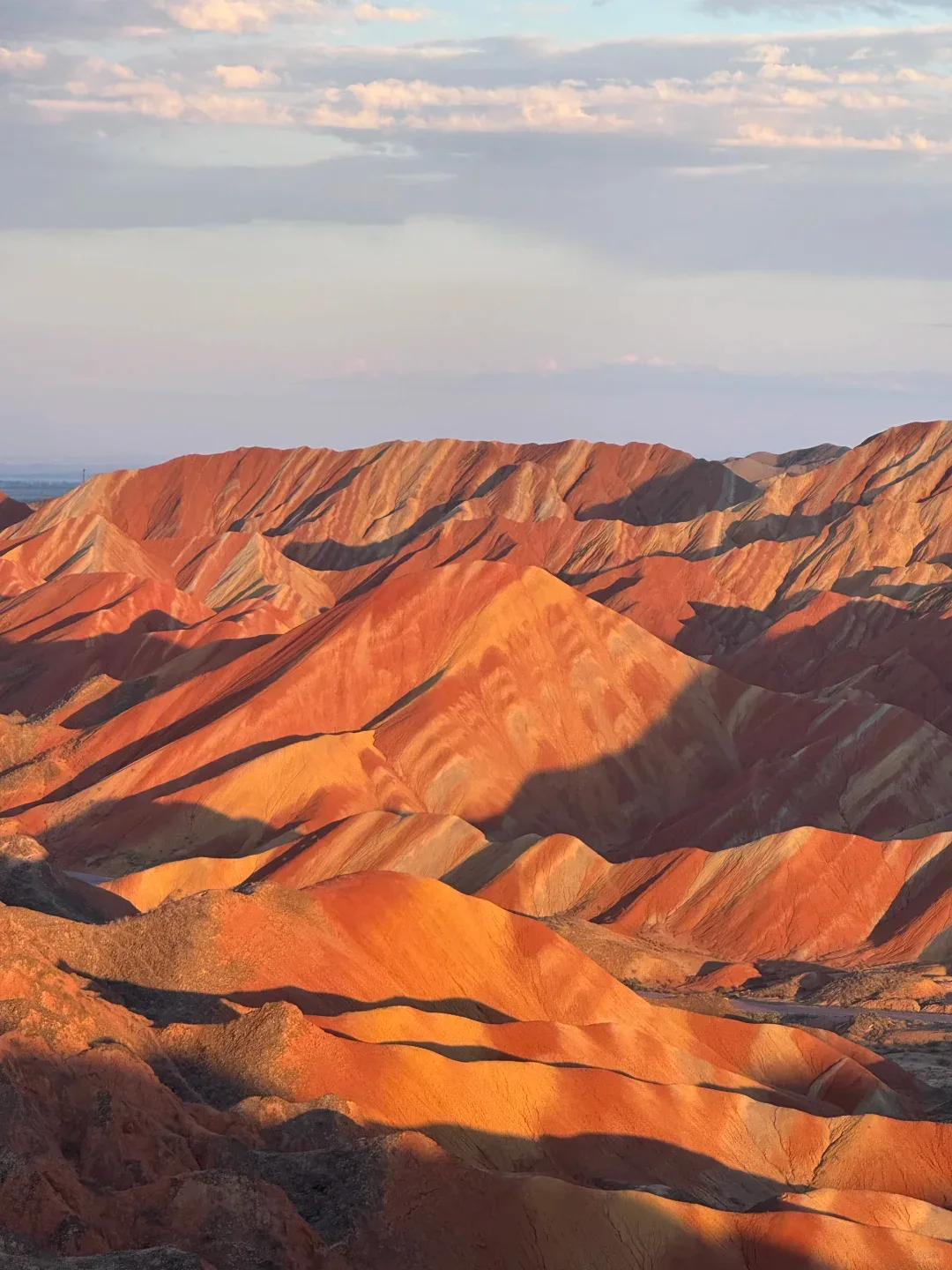
Zhangye Danxia Landform
Zhangye Danxia · Gansu
China's rainbow mountains — technicolor sandstone stripes stretching across the horizon