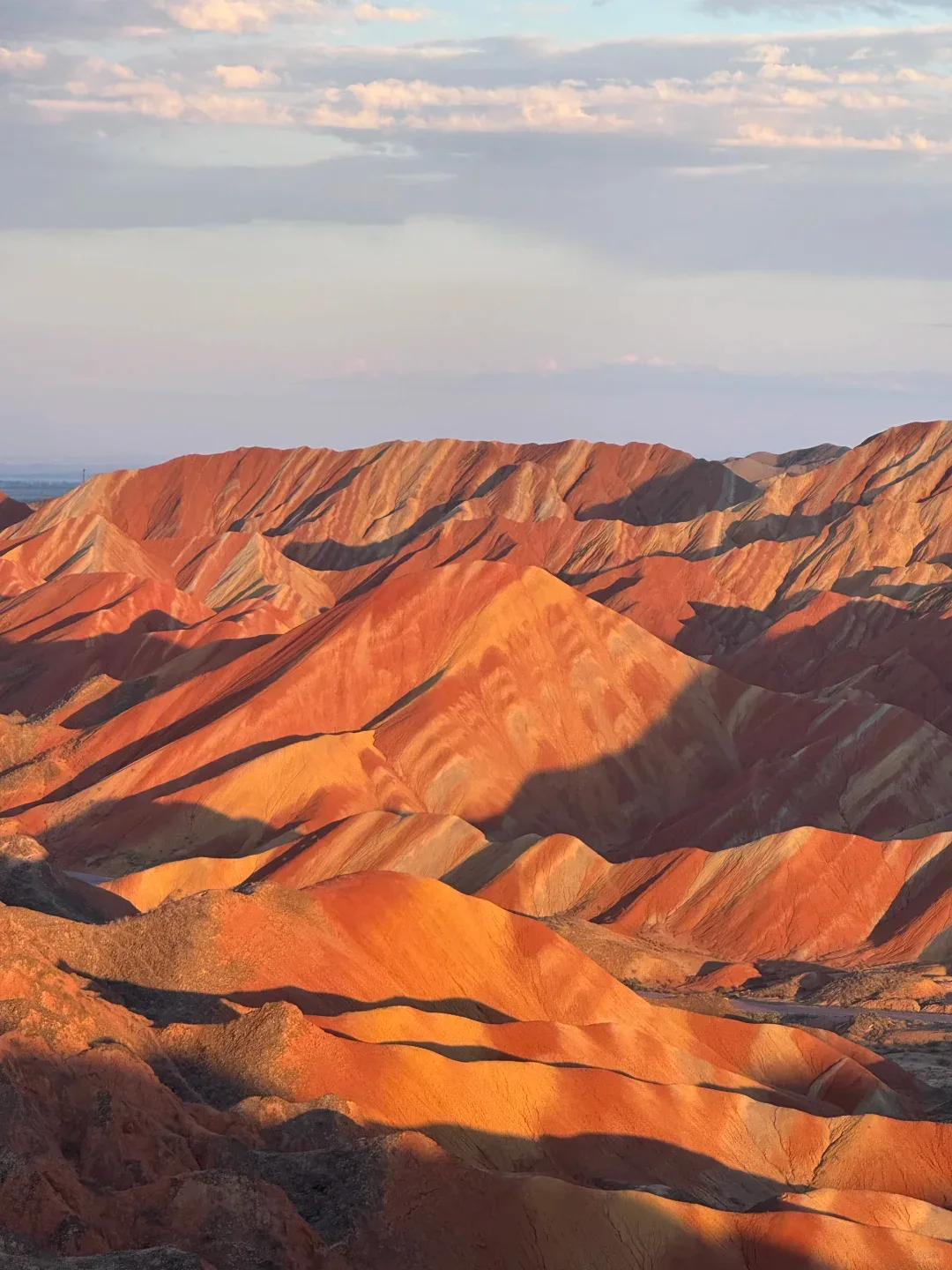
Photo: Chinese Mountains
Zhangye Danxia Landform
Zhangye Danxia
China's rainbow mountains — technicolor sandstone stripes stretching across the horizon
About Zhangye Danxia Landform
The Danxia landform is not a single mountain but a type of landscape — one of China's most distinctive and photographed natural phenomena. Named after Mount Danxia in Guangdong Province (the type locality that gave the landform its scientific name), Danxia refers to red sandstone cliffs and rock formations shaped by wind and water erosion into surreal, multicolored strata. The most famous examples are the Zhangye Danxia Landform in Gansu Province — known globally as the 'Rainbow Mountains' — where layers of red, orange, yellow, green, and purple sedimentary rock create stripes across rolling hills that look painted rather than natural. These colors result from mineral deposits (iron oxides for reds, limonite for yellows, chlorite for greens) laid down over 24 million years and then tilted and exposed by tectonic uplift. The Zhangye site, a UNESCO Global Geopark, has boardwalks and viewing platforms at four main scenic areas. Sunrise and sunset are the optimal viewing times, when low-angle light intensifies the color bands and casts long shadows across the hills. The Danxia landform of Guangdong (Mount Danxia itself) features towering red sandstone pillars, natural stone bridges, and the famous Yangyuan Stone — a 28-meter phallic rock formation that has been a fertility symbol for centuries. Danxia landscapes exist across southern and northwestern China, each with distinct characteristics. The most accessible for visitors is Zhangye (reachable by high-speed train from Lanzhou in 4 hours or Xi'an in 6 hours), best visited in autumn (September-October) when skies are clearest and temperatures are comfortable. The sites require minimal hiking — most viewpoints are accessible by shuttle bus and short walks.
Mountain Facts
Cultural Significance
Part of the China Danxia UNESCO World Heritage site, famous for its rainbow-colored rock formations caused by mineral deposits over 24 million years.
Highlights
- • Colorful Danxia scenic area viewing platforms
- • Sunrise and sunset color intensification
- • Ice Valley Danxia nearby
- • Pingshan Lake Grand Canyon
- • Boardwalk trails between formations
When to Go
The colors are visible year-round, but the light is everything. June-September brings the most vivid hues — rain deepens the saturation of the reds and yellows, so a brief shower followed by sun is the photographer's jackpot. July-August is the busiest and hottest (up to 35 C at midday); go at 7 AM opening or 4-5 PM for the famous sunset glow. Late September-October offers the best overall conditions: clear skies, 10-25 C, and golden light that makes the striping pop. November-April is cold (-10 to 10 C) and dry; mornings can be hazy with dust, but frost-light sunrises are spectacular and the boardwalks are nearly empty. Sunrise and sunset are non-negotiable for the signature rainbow bands — low-angle light amplifies every stratum. Flat white cloud cover drains all color, so check the weather before committing a full day.
How to Get There
By Air: Fly to Zhangye Ganzhou Airport (YZY) — direct flights from Beijing, Xi'an, and Lanzhou — or fly to Lanzhou Zhongchuan and connect by high-speed rail. By High-Speed Train: Zhangye West Station sits on the Lanzhou-Xinjiang line (4h from Lanzhou, 5h from Xining, 6h from Xi'an). From the station, the Linze Danxia scenic area is 40 minutes by taxi (CNY 100-150) or about an hour by bus. Getting There: The scenic area is 40km west of Zhangye city. Public buses from Zhangye Bus Station run to Linze Danxia roughly hourly (CNY 15-20). Taxis cost CNY 100-150 each way; a day-hire with waiting time is CNY 300-400. Entry Fee: CNY 75, which includes the mandatory shuttle buses between the four viewing platforms — platform No. 4 is the classic sunset spot. The Ice Valley Danxia and Pingshan Lake Grand Canyon lie 30-40 minutes further west; combine them for a full day.
Frequently Asked Questions
Is Zhangye Danxia worth visiting? +
What is the best time to visit Zhangye Danxia? +
How do I get to Zhangye Danxia? +
How difficult is the visit? +
What should I bring for Zhangye Danxia? +
You May Also Like
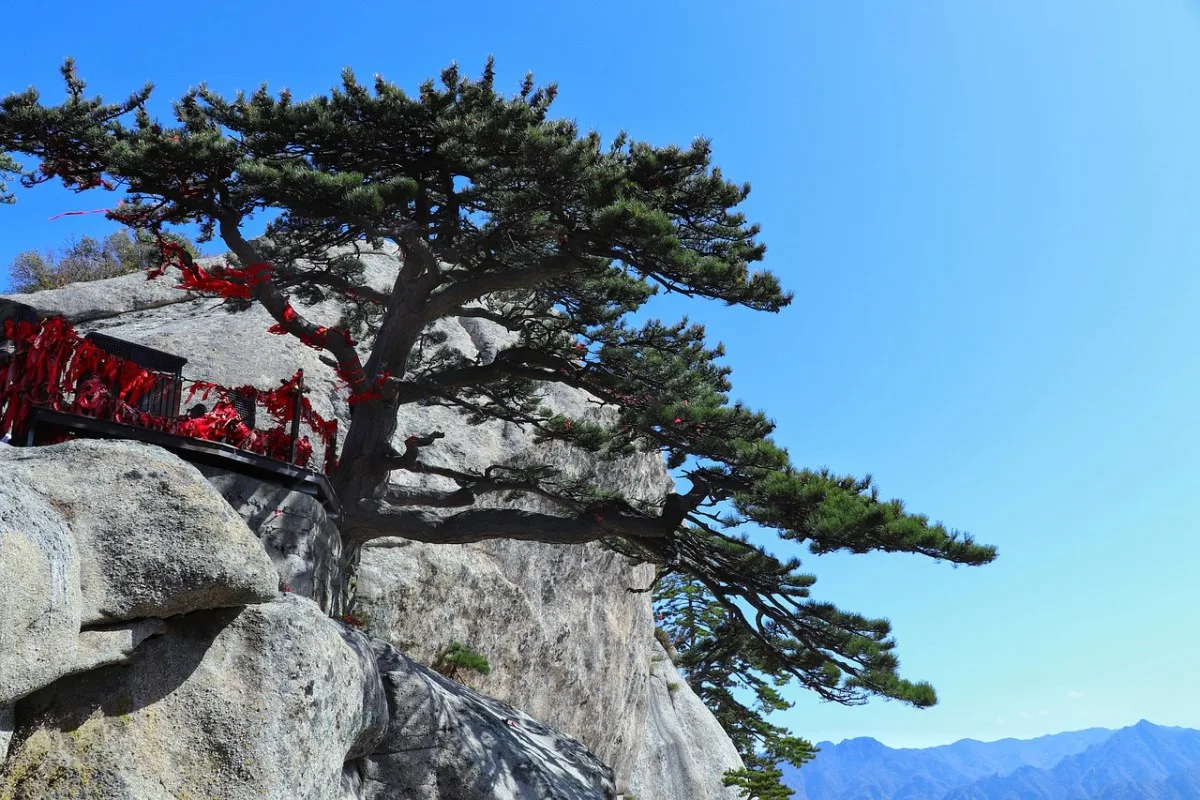
Mount Hua
Hua Shan · Shaanxi
The world's most dangerous hike — plank walks on sheer cliff faces
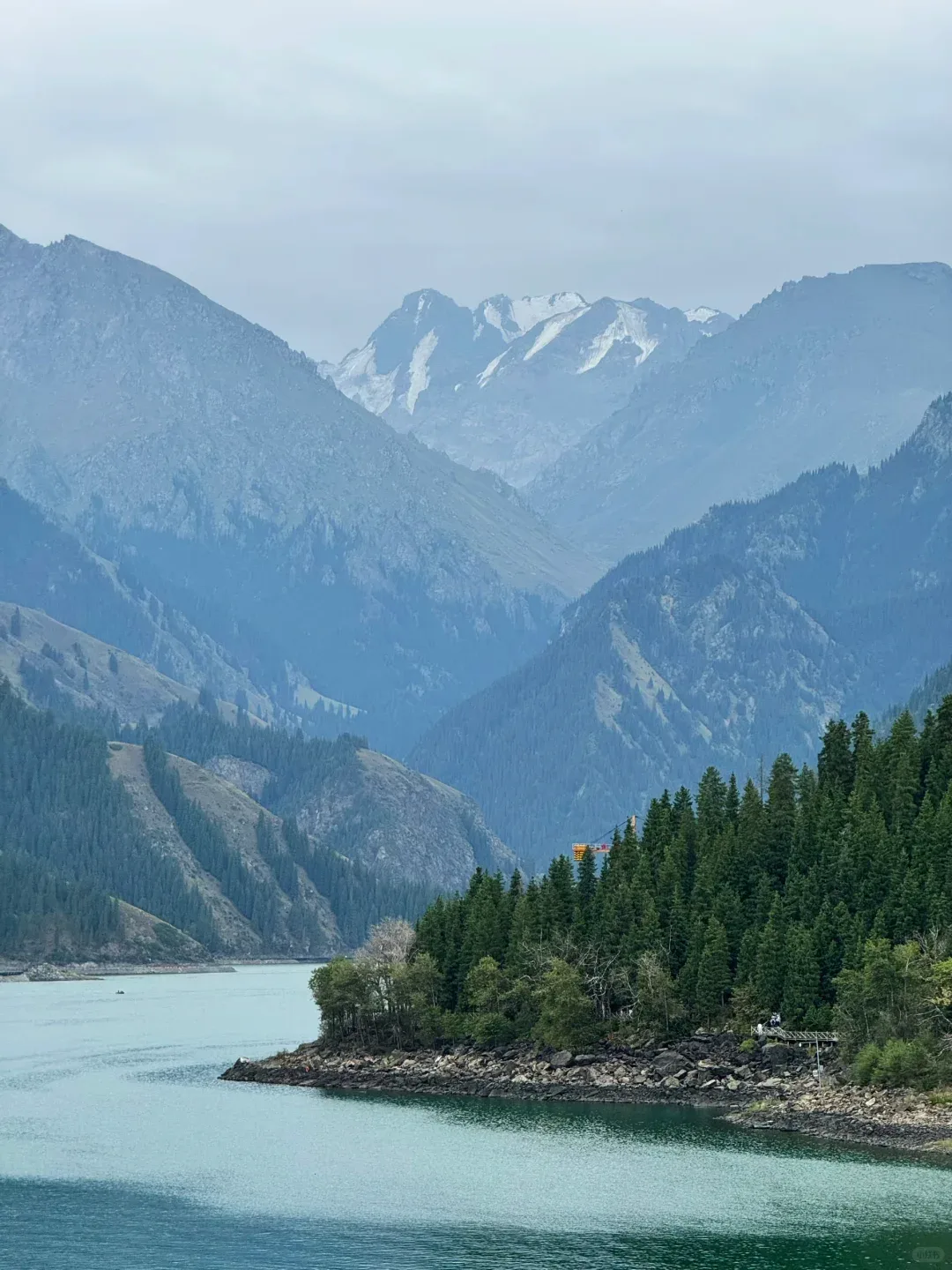
Tianshan Mountains
Tianshan · Xinjiang
The Heavenly Mountains along the ancient Silk Road
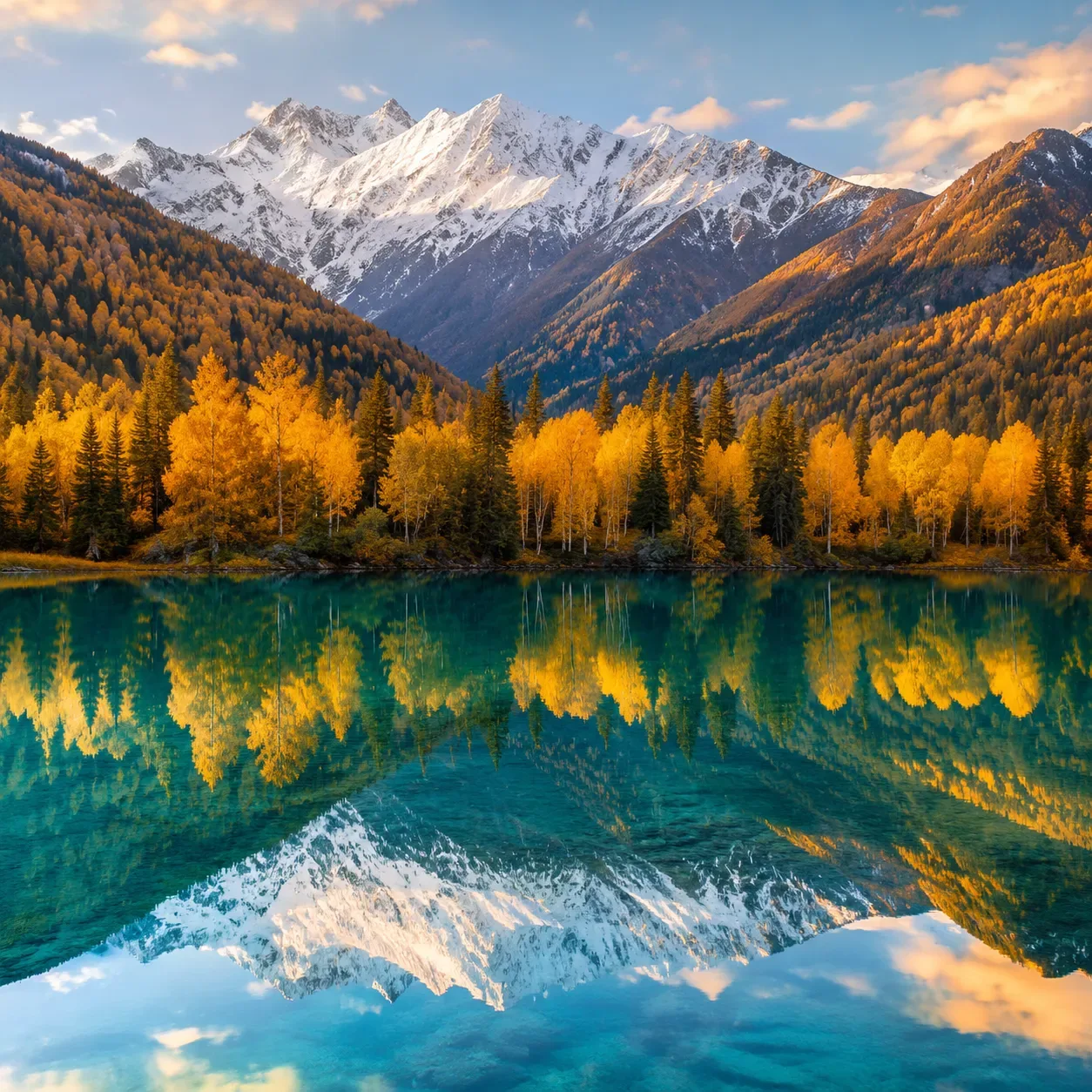
Kanas Nature Reserve
Ka Na Si · Xinjiang
Alpine lakes and golden forests in China’s far northwest — the Swiss Alps of Xinjiang