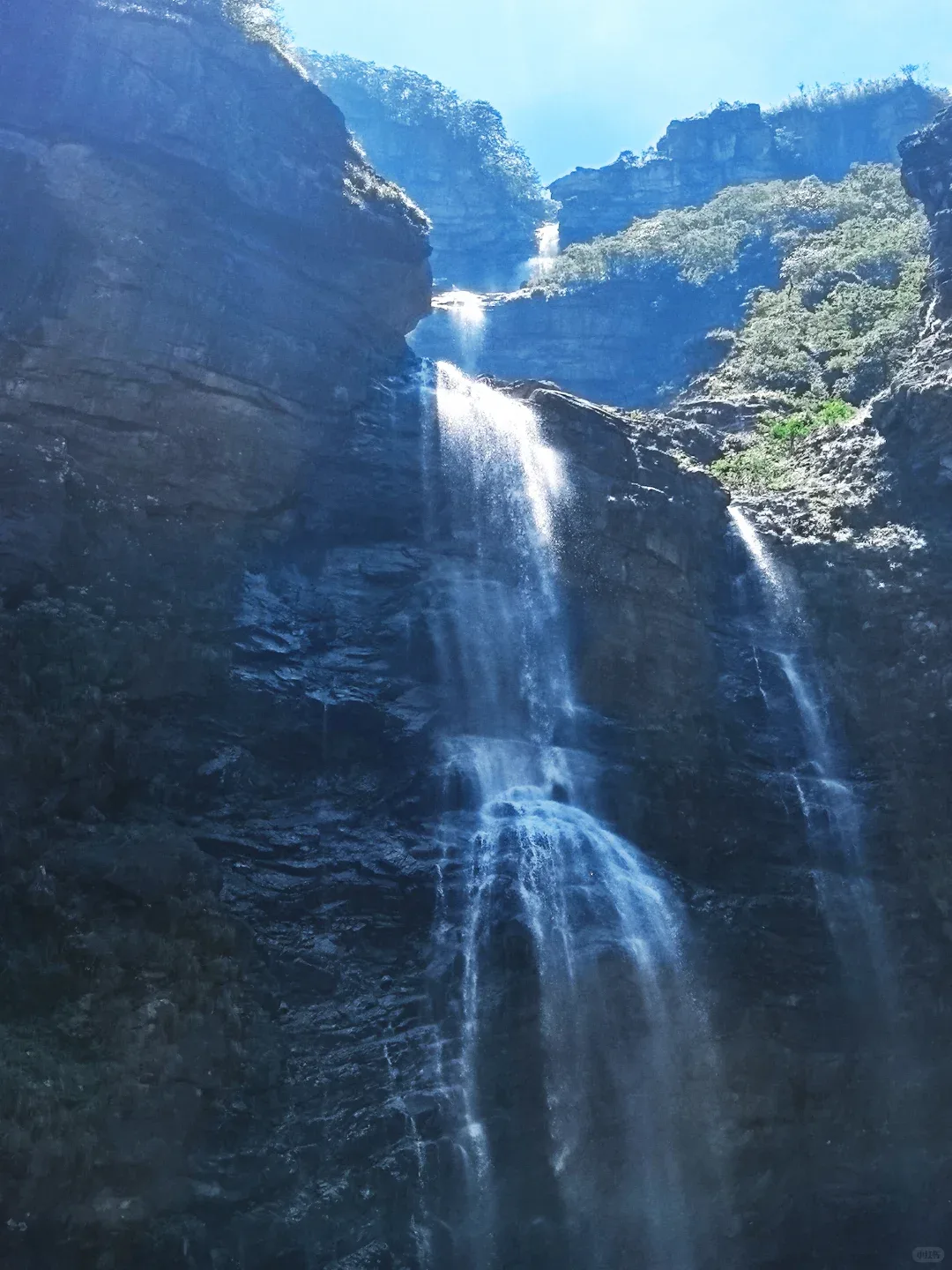
Photo: Chinese Mountains
Mount Lushan
Lu Shan
The mountain of poets, mist, and colonial villas — 1,500 years of inspiration
Information verified: August 2026 — prices and opening status change; recheck official sources before you travel.
Is Mount Lushan worth it?
China's gentlest great mountain — a misty cultural retreat, not a summit challenge
Lushan is the anti-Huangshan: instead of conquering a peak, you wander a European-style mountain town (Guling, at 1,100m), drink cloud-mist tea, walk between poetry-steeped viewpoints, and watch dawn break over Poyang Lake. The CNY 160 ticket is valid for 7 days across the core and ring sights, the sightseeing bus does the climbing for you, and summer on the mountain sits at a cool 22 C. For culture, family trips, and heat-escape, it is quietly one of China's best-value mountains.
You want dramatic granite scenery and real hiking (go to Sanqingshan, 2.5h away), you are visiting on a July-August weekend (the summer retreat crowds are real), or you want a quiet wilderness — Lushan is a settled cultural landscape, not a national park wilderness.
Families with elderly members or young kids, cultural travelers, photography of mist and layered mountains, and anyone escaping summer heat.
About Mount Lushan
Mount Lushan is not the tallest or most dramatic peak in China — but it may be the most culturally saturated. Over 4,000 poems and essays have been written about its misty landscapes by figures like Li Bai, Su Shi, and Tao Yuanming. In the early 20th century, Western missionaries and diplomats built hundreds of stone villas on its slopes, creating a unique architectural fusion now protected as part of the UNESCO cultural landscape. Today it is equal parts hiking destination, literary pilgrimage, and summer retreat from Jiangxi’s notorious heat.
Mountain Facts
Cultural Significance
A UNESCO Cultural Landscape — over 1,500 years of Chinese poetry, painting, and philosophy inspired by Lushan’s mist-shrouded peaks. Hundreds of villas from the colonial era line its slopes.
Highlights
- • Three-Step Waterfall (Sandiequan) — 155m cascade in three tiers
- • Guling Town, a European-style mountain resort at 1,100m
- • Hanpo Pass sunrise overlooking Poyang Lake and the Yangtze
- • Lushan Botanical Garden with 3,400+ plant species
- • White Deer Grotto Academy, one of China’s Four Great Academies
Who should go — and who should skip
A quick reality check for six common traveler profiles, based on the real terrain, stairs, and queues.
First-time visitor
GOThe easiest introduction to a famous Chinese mountain — no fitness required.
Do the 2-day plan: Day 1 west line (Flower Path, Jinxiu Valley, Immortal's Cave, Ruqin Lake) plus Guling town at dusk; Day 2 dawn at Hampo Pass, then the Three-Step Waterfall. Take the cable car up (CNY 120 round trip) and buy the CNY 90 sightseeing bus pass — the mountain is bigger than it looks.
Photographer
GOLayered mist at dawn here rivals any mountain in China — with far less effort.
Stay near Ruqin Lake and shoot the lake-and-villa mist at first light. Hampo Pass at dawn is the classic: Poyang Lake and the Yangtze on clear mornings. Late October-November gives the clearest air; the post-rain day is the mistiest. A telephoto lens compresses the layers beautifully.
Traveling with kids
GOThe most family-friendly famous mountain in China — bus and cable car everywhere.
Cable car up, sightseeing bus between sights, and keep to the west line (gentle paths) plus Hampo Pass viewpoint. Skip the Three-Step Waterfall's 2,600 steps with young kids — the views from the top platform are enough. Stay in Guling so evenings are a walk in the town.
Tight budget
GOMarch is free, off-peak entry is CNY 135, and the public bus up costs CNY 10.
Target December-March (CNY 135 entry, 3月 free in March) and ride the CNY 10 public bus up the mountain road. The CNY 70 summit-only bus pass still saves your legs. Dorms in Guling start around CNY 100. A 2-day trip runs about CNY 400-450 per person all-in, transport to Jiujiang excluded.
Older travelers / knee issues
GOThe friendliest mountain in China for limited mobility — nearly everything is reachable by bus.
Seniors 65+ enter free. Use the cable car (no winding-road nausea), the CNY 90 sightseeing bus, and stick to the west line and Hampo Pass — all gentle. Skip the Three-Step Waterfall stair descent. Summer is comfortable and busy; April-May and September-October are ideal.
Serious hiker
IT DEPENDSNot a hiking mountain — but the classic trails have real pedigree.
Take the old Haohan Slope footpath up from the Lianhuadong trailhead (about 3h of stone stairs to Guling) to earn the summit the way poets did. Then tackle Five Old Men Peak (Wulaofeng) and the 2,600 steps down to the Three-Step Waterfall. It is not alpine wilderness, but it is history on foot.
Which route should you take?
All the ways up and around, compared side by side so you don't have to open five pages.
| Route | Time | Cost | Difficulty | Scenery | Best for |
|---|---|---|---|---|---|
| Summit cable car (from Lianhua station) Recommended Lianhua cable car station, south side · Cable car | 7-10 min to Guling | CNY 120 round trip (CNY 75 up / 65 down) | Easy | ★★★★★ | The default — recommended for families, seniors, and anyone prone to car sickness |
| Sightseeing bus from the north gate North gate (Beimen) exchange center · Shuttle | 50 min winding road to Guling | CNY 90 incl. 7-day unlimited summit rides | Easy | ★★★★★ | Budget travelers and anyone who will use the bus pass heavily |
| Public bus (CNY 10) North gate, from Jiujiang · Shuttle | 40 min up | CNY 10 one way | Easy | ★★★★★ | True budget travelers and backpackers |
| Haohan Slope footpath (classic hike) Lianhuadong trailhead near Jiujiang · Hike | 2.5-3.5 h up, about 8km of stairs | Free (park entry only) | Hard | ★★★★★ | Hikers and history buffs; not for families |
Summit cable car (from Lianhua station)
RecommendedLianhua cable car station, south side · Cable car
- +No motion sickness — the winding mountain road is notorious
- +Fastest way to Guling town
- +Smooth for elderly travelers and kids
- –Does not connect to the sightseeing bus pass — buy the CNY 70 summit pass separately
- –Summer queues build from 8 AM
Best for: The default — recommended for families, seniors, and anyone prone to car sickness
Sightseeing bus from the north gate
North gate (Beimen) exchange center · Shuttle
- +One ticket covers ascent AND all 7 days of summit transport
- +Frequent departures from Jiujiang's bus terminal
- +Cheapest comfortable option
- –The switchback road upsets stomachs
- –Slower than the cable car
Best for: Budget travelers and anyone who will use the bus pass heavily
Public bus (CNY 10)
North gate, from Jiujiang · Shuttle
- +The cheapest way up in China's famous mountains
- +Runs through the day
- –Same winding road, no guaranteed seat in season
- –You still need the summit bus pass for the sights
Best for: True budget travelers and backpackers
Haohan Slope footpath (classic hike)
Lianhuadong trailhead near Jiujiang · Hike
- +The traditional ascent used by pilgrims and poets
- +Quiet — almost nobody walks up
- +Earns the arrival at Guling
- –Relentless stone stairs with limited views until the top
- –No facilities en route — carry water
- –Knee-taxing descent if done in reverse
Best for: Hikers and history buffs; not for families
Plan your trip: day-by-day
Three tested ways to see the mountain, from a rushed day trip to a full canyon expedition. Switch tabs to compare.
West-line sprint
Only if you cannot stay — you will miss the east line and the dawn- 08:00
Cable car up to Guling
1 hFirst cable car of the day. Buy the CNY 70 summit bus pass at the top.
- 09:15
West line: Flower Path and Jinxiu Valley
2 hBai Juyi's azalea walk and the cliff-path valley — the gentlest famous scenery on the mountain.
- 11:30
Immortal's Cave and Ruqin Lake
2 hThe Taoist cave over the valley, then lunch beside the misty lake.
- 14:00
Hampo Pass viewpoint
1.5 hThe classic overlook — Poyang Lake below on clear days. Then decide: skip the Three-Step Waterfall if pressed.
- 16:00
Guling town wander, then cable car down
1.5 hA quick walk past the colonial villas before the last cable car.
Editor's note: One day covers the west line only — the cultural core. You miss the Three-Step Waterfall, Five Old Men Peak, and dawn at Hampo Pass, which is Lushan's signature moment.
Where to stay: summit or base?
The single biggest decision of the trip is not which route — it is whether you sleep on the mountain. Here is the honest trade-off.
Guling town center
- +Steps from restaurants, tea houses, and bus stops
- +The evening town stroll is a genuine highlight
- +Every price range available
- –Summer weekends book out weeks ahead
- –Standard rooms are dated in older hotels
Best for: First-timers and anyone who wants convenience
Ruqin Lake area
- +The most beautiful location on the mountain
- +Photographers can shoot dawn without moving
- +Quieter than the town center
- –Fewer restaurants nearby
- –Popular with tour groups in summer
Best for: Photographers and couples
Restored colonial villa
- +Sleep inside history — the 1930s stone villas are Lushan's soul
- +Warm wood interiors and garden terraces
- +The unique stay nobody else offers
- –Premium price
- –Historic buildings can be creaky and cool in winter
Best for: Culture travelers and anniversary-style trips
Jiujiang city (base)
- +Cheaper and easier to book
- +Good restaurants and nightlife
- +Convenient for train connections
- –You miss the dawn entirely
- –An hour of transfers each day
Best for: Budget travelers who accept missing sunrise
What it really costs
Straight price ranges for a per-person trip — three tested styles and every charge spelled out. No math required.
Budget
2 daysDorm beds, bring your own food
~CNY 450
per person
- •Off-peak entry CNY 135
- •Public bus up + sightseeing bus CNY 100
- •Guling dorm bed CNY 150
- •Street food and snacks ~CNY 80
Mid-range
2 daysPrivate room shared by two
~CNY 800
per person
- •Peak entry CNY 160
- •Cable car round trip CNY 120
- •Sightseeing bus CNY 90
- •Private room CNY 300 (shared by 2)
- •Restaurant meals CNY 250
Premium
3 daysBest rooms, everything included
~CNY 1,500
per person
- •Peak entry CNY 160
- •Cable car round trip CNY 120
- •Sightseeing bus CNY 90
- •Gorge cable car CNY 80
- •Colonial villa 2 nights CNY 900 (shared by 2)
- •Dining and tea CNY 350
Price at a glance
Every charge on the mountain, spelled out — no calculator needed.
Note: Excludes the sightseeing bus (CNY 90 for 7 days incl. summit transfer) — add it for a complete estimate. Off-peak (Dec-Mar) saves CNY 25 on entry; March is free. The gorge cable car is optional.
When to go: the season trade-offs
Every season works — but each one is a different mountain. Pick the row that matches your priorities.
| Season | Weather | Views | Crowds | Score |
|---|---|---|---|---|
| Spring April-May | 15-25 C, azaleas blooming, valley mist until mid-morning | The misty, layered look that made Lushan famous — watercolor mornings Azaleas and poetry-season light; Qingming holiday (early April) spikes crowds | Manageable | ★★★★★ |
| Summer June-August | 22-26 C on the mountain — the classic heat escape | Frequent mist; clear mornings after rain The coolest famous mountain in China in July — but go on weekdays and book early | Crowded | ★★★★★ |
| Autumn September-November | 10-22 C, driest and clearest of the year | Highest visibility — Poyang Lake clearly visible from Hampo Pass; fall colors in the valleys The photographer's season — crisp air, layered foliage, and the best dawn odds | Manageable | ★★★★★ |
| Winter December-March | -5 to 5 C, occasional snow, rime ice on the ridges | Snow-dusted villas and mist — a quiet, atmospheric Lushan Entry drops to CNY 135 and March is free — the budget season, with occasional road closures after heavy snow | Quiet | ★★★★★ |
Spring
★★★★★April-May
15-25 C, azaleas blooming, valley mist until mid-morning
The misty, layered look that made Lushan famous — watercolor mornings
Azaleas and poetry-season light; Qingming holiday (early April) spikes crowds
Summer
★★★★★June-August
22-26 C on the mountain — the classic heat escape
Frequent mist; clear mornings after rain
The coolest famous mountain in China in July — but go on weekdays and book early
Autumn
★★★★★September-November
10-22 C, driest and clearest of the year
Highest visibility — Poyang Lake clearly visible from Hampo Pass; fall colors in the valleys
The photographer's season — crisp air, layered foliage, and the best dawn odds
Winter
★★★★★December-March
-5 to 5 C, occasional snow, rime ice on the ridges
Snow-dusted villas and mist — a quiet, atmospheric Lushan
Entry drops to CNY 135 and March is free — the budget season, with occasional road closures after heavy snow
How it compares with similar mountains
Straight answers to the comparisons travelers actually search for — no need to open five tabs.
Lushan vs Huangshan: the poems vs the epic
Mount Huangshan details →- • Huangshan is dramatic granite, sea of clouds, and stair-climbing; Lushan is gentle culture — villas, tea, and misty viewpoints
- • Lushan's sightseeing bus reaches nearly everything; Huangshan requires hours on stone steps
- • Both are UNESCO sites — Huangshan for landscape, Lushan as a cultural landscape
- • Lushan's 7-day ticket is cheaper and more flexible; Huangshan's 2-day rhythm is more focused
- • Summer: Lushan is a classic heat-escape; Huangshan in July-August is rainy and foggy
Our verdict: Knee-friendly or time-poor: Lushan. The full Chinese mountain experience: Huangshan. They are complementary, not competitors.
Lushan vs Sanqingshan: Jiangxi's culture vs Jiangxi's scenery
Mount Sanqing details →- • Sanqingshan is a granite spectacle with real (if easy) walking; Lushan is a misty cultural retreat
- • Sanqingshan's boardwalk delivers constant cliff views; Lushan's rewards are quieter — lake mirrors, villa lanes, poetry
- • Summer favors Lushan (cool 22 C); autumn favors both equally
- • Sanqingshan is 1-2 days; Lushan's 7-day ticket suits 2-3 relaxed days
- • They sit 2.5h apart — the natural Jiangxi double-header
Our verdict: Culture, ease, and summer cool: Lushan. Granite scenery and a proper mountain feel: Sanqingshan. Do both if your itinerary allows — they complement rather than compete.
Lushan vs Emei Shan: the two 'easy culture mountains'
Mount Emei details →- • Both are gentle, cable-car-served UNESCO mountains — Emei is a 2,000-year Buddhist pilgrimage site; Lushan is a poets-and-villas cultural retreat
- • Emei's Golden Summit (3,099m) is the bigger show; Lushan's charm is the town itself at 1,100m
- • Emei's famous monkeys are a hazard; Lushan has none
- • Emei pairs with Chengdu and Leshan; Lushan pairs with Poyang Lake and Jiangxi's ring sights
- • Both are 2-day trips at similar cost — the decision is Buddhist pageantry vs literary atmosphere
Our verdict: Golden temples and pilgrimage energy: Emei Shan. Poetry, villas, and cloud-mist tea: Lushan. Flip a coin — both are wonderful easy mountains.
Editor's pro tips
Take the high-speed train to Jiujiang Station, not 'Lushan Station' — Lushan Station is far from the mountain with poor connections.
Buy the CNY 90 sightseeing bus pass on day one: sights are 10+ km apart and the pass covers your summit transfer too.
Dawn at Hampo Pass is the signature Lushan moment — take the first 5:30 bus and be on the platform by 6.
The Three-Step Waterfall's 2,600 steps are optional: the top viewing platform is spectacular, and the gorge cable car (CNY 80) handles the descent.
March is entirely free, and off-peak entry (Dec-Mar) is CNY 135 — the budget window with 80% fewer visitors.
Private cars are banned in peak season; non-peak driving needs a vehicle reservation (about CNY 45) — the cable car and buses are simpler.
Stay in Guling town center at least one night: the evening atmosphere after day-trippers leave is the best part of Lushan.
Mist clears by mid-morning — photographers should shoot west line and lakes before 10 AM.
The 7-day ticket covers ring sights too: White Deer Grotto Academy and Xiufeng's waterfall (the Li Bai poem) are included, not extra.
Packing checklist
How to Get There
High-speed train to Jiujiang Station (4 hours from Shanghai, 5 from Beijing, 2.5 from Wuhan). From Jiujiang, buses run to the Lushan ticket office (1 hour), then shuttle buses climb the winding mountain road to Guling Town. Alternatively, drive directly to Guling Town via the mountain road. A park shuttle bus connects all major sites within the scenic area.
Frequently Asked Questions
Why is Lushan called ‘the mountain of poets’? +
What makes Lushan different from other Chinese mountains? +
How difficult is hiking at Lushan? +
Can I stay overnight on Lushan? +
Is Lushan good for photography? +
How does Lushan compare to Huangshan? +
What should I eat on Lushan? +
You May Also Like
Mount Huangshan
Huang Shan · Anhui
China's most iconic peaks — sea of clouds and granite spires
Mount Sanqing
Sanqing Shan · Jiangxi
A quieter Huangshan — granite peaks without the crowds
Mount Tai
Tai Shan · Shandong
The most sacred mountain — climbed by emperors for 3,000 years