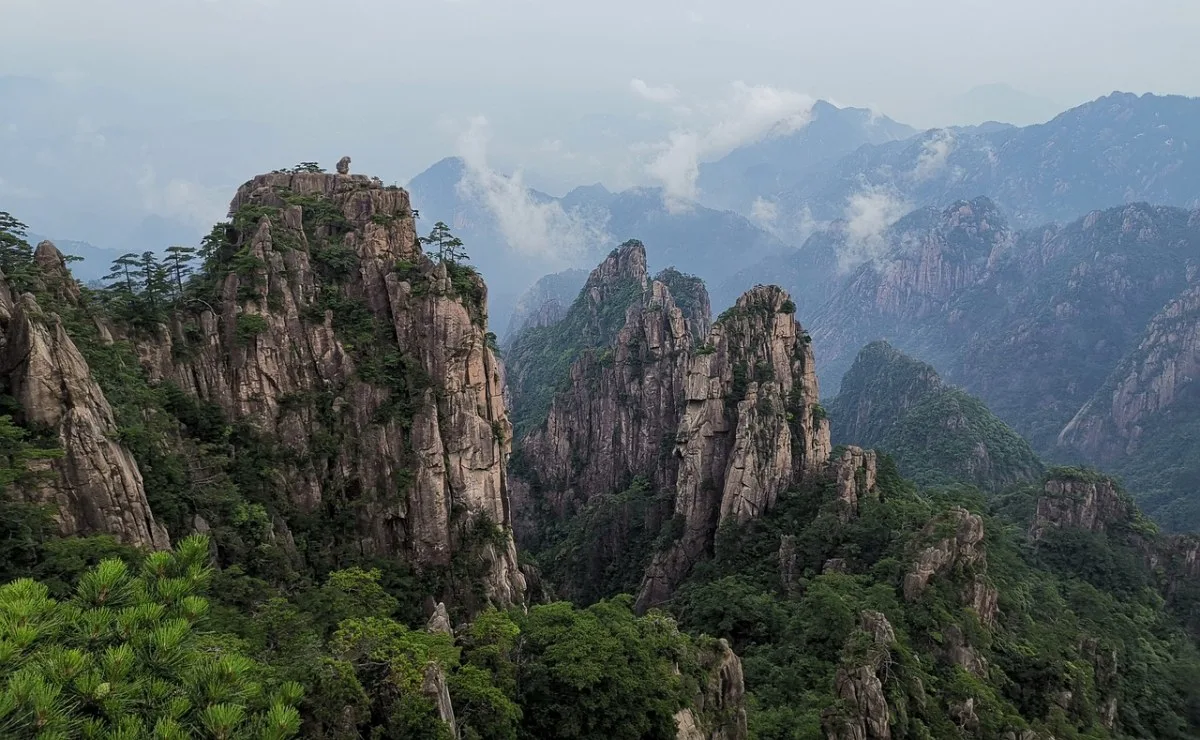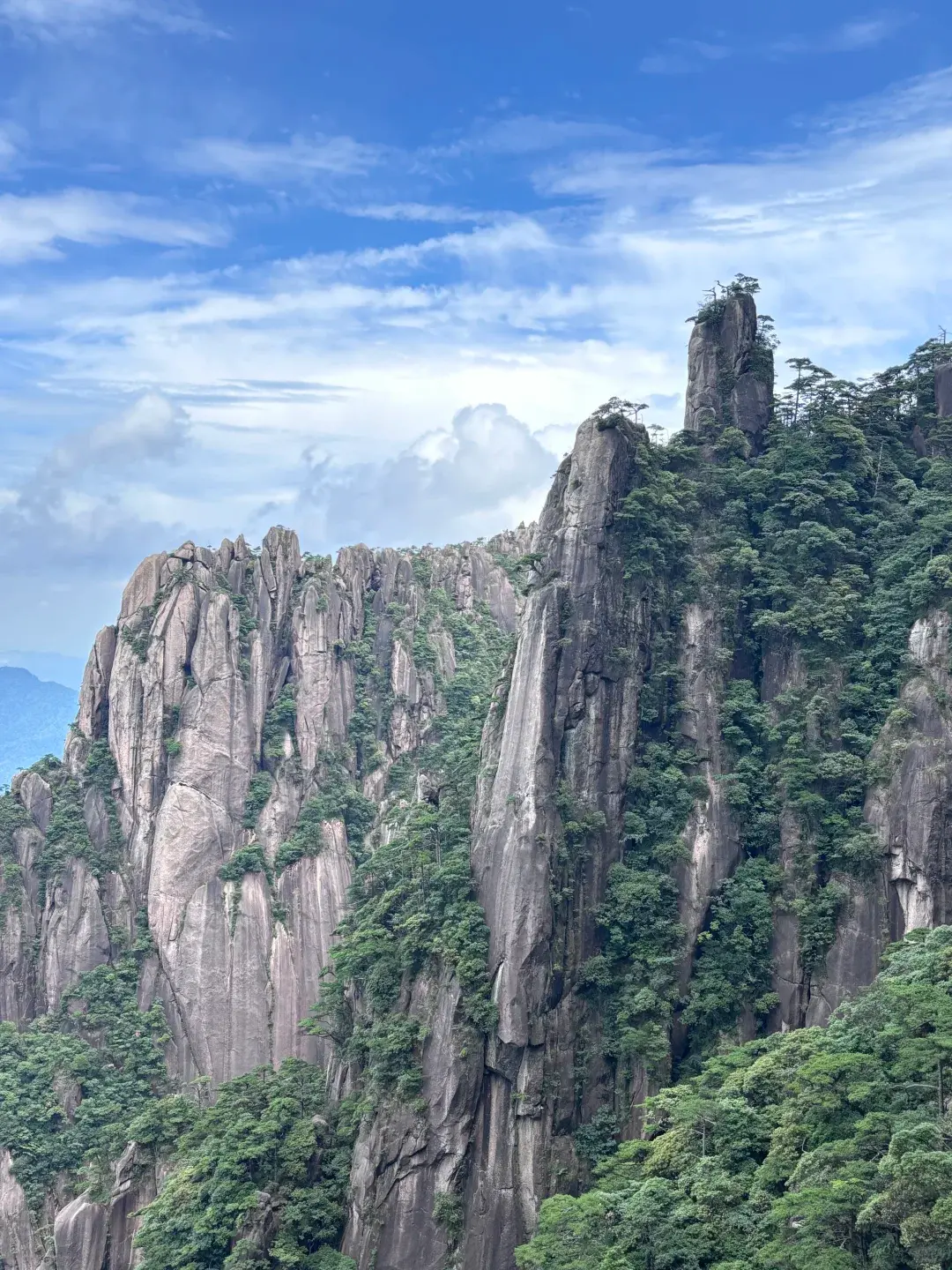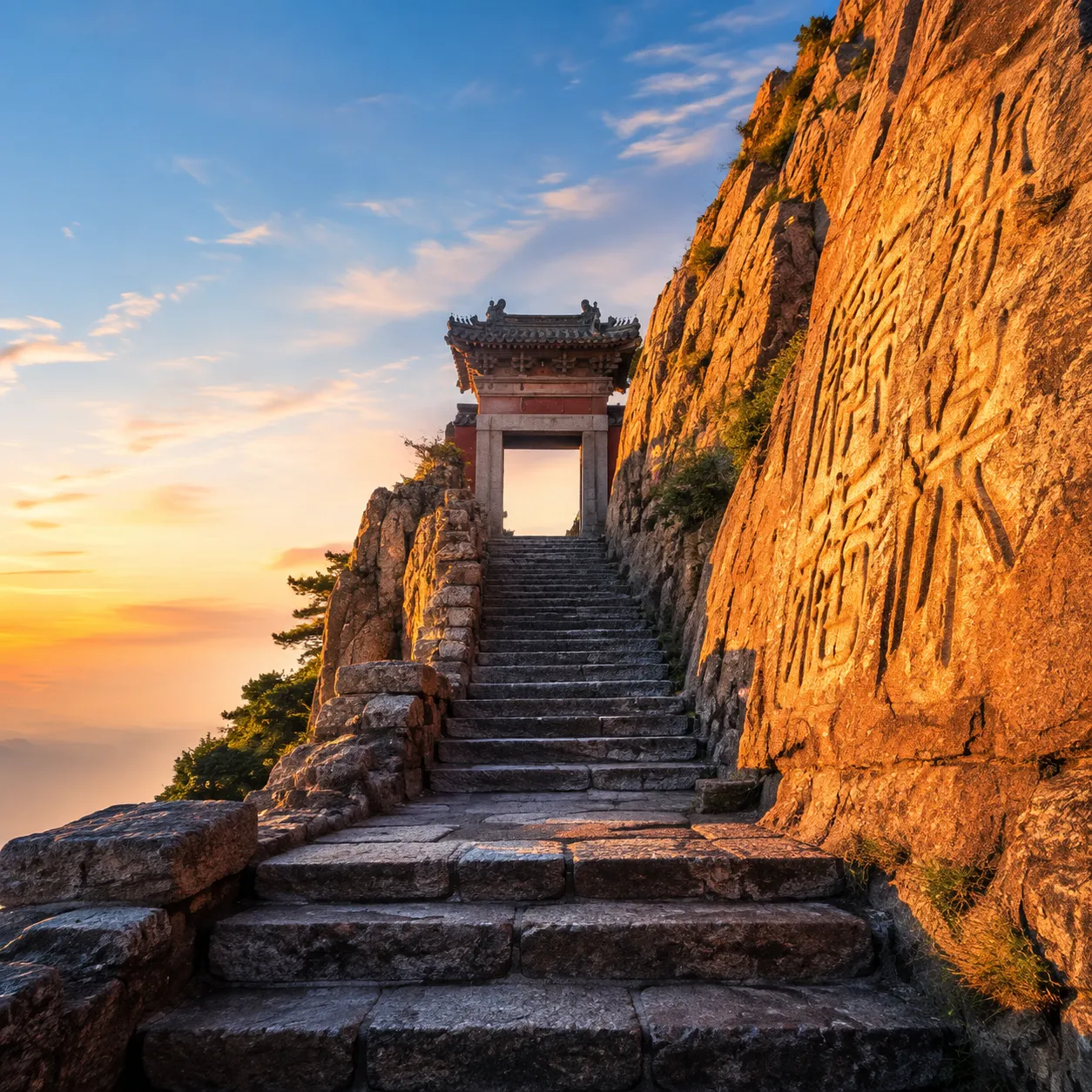
Mist rolling through Mount Lushan peaks with colonial villa

Photo: Chinese Mountains

Mount Lushan

Lu Shan

The mountain of poets, mist, and colonial villas — 1,500 years of inspiration

Elevation 1,474m
Province Jiangxi
Difficulty Easy
Best Season April, May, September, October
Duration 2-3 days
Scenery 4.5/5 Hiking 3/5 UNESCO

About Mount Lushan

Mount Lushan is not the tallest or most dramatic peak in China — but it may be the most culturally saturated. Over 4,000 poems and essays have been written about its misty landscapes by figures like Li Bai, Su Shi, and Tao Yuanming. In the early 20th century, Western missionaries and diplomats built hundreds of stone villas on its slopes, creating a unique architectural fusion now protected as part of the UNESCO cultural landscape. Today it is equal parts hiking destination, literary pilgrimage, and summer retreat from Jiangxi’s notorious heat.

Mountain Facts

Geology
Granite and sandstone
Protected Area
302 km²
Nearest City
Jiujiang
Entry Ticket
CNY 180
UNESCO Status
World Heritage Site since 1996
Our Ratings
Scenery 4.5/5 · Hiking 3/5 · Culture 5/5 · Access 5/5

Cultural Significance

A UNESCO Cultural Landscape — over 1,500 years of Chinese poetry, painting, and philosophy inspired by Lushan’s mist-shrouded peaks. Hundreds of villas from the colonial era line its slopes.

Highlights

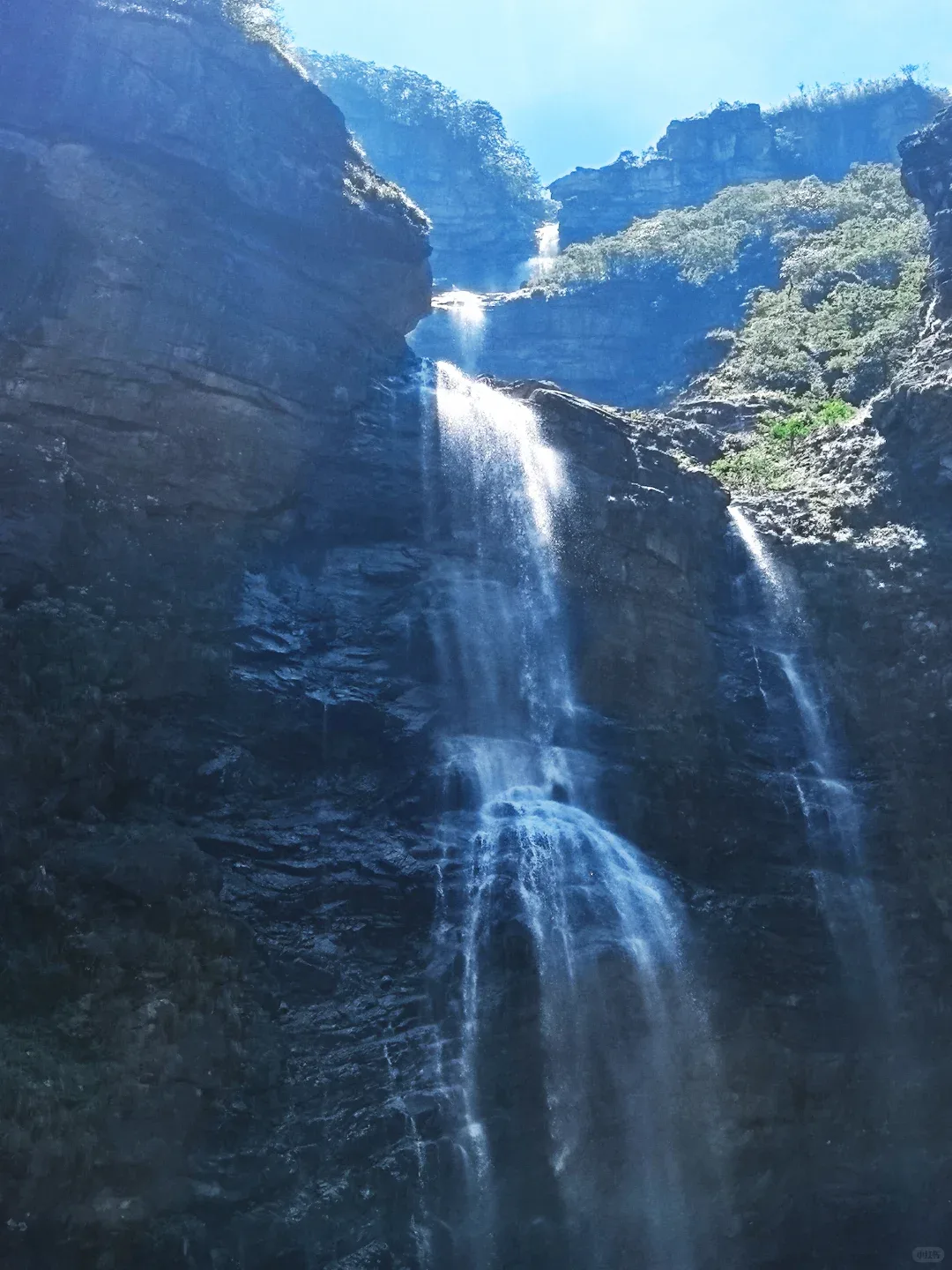
  • Three-Step Waterfall (Sandiequan) — 155m cascade in three tiers
  • Guling Town, a European-style mountain resort at 1,100m
  • Hanpo Pass sunrise overlooking Poyang Lake and the Yangtze
  • Lushan Botanical Garden with 3,400+ plant species
  • White Deer Grotto Academy, one of China’s Four Great Academies

When to Go

April-May: Azaleas bloom, temperatures 15-25 C, and the famous mist hangs in the valleys until mid-morning. September-October: Clear autumn skies, comfortable hiking temperatures, and fall foliage. July-August: Hot and humid below 800m but pleasant on the mountain, making Lushan a popular summer escape. The mountain is accessible year-round with occasional winter closures during heavy snow.

How to Get There

High-speed train to Jiujiang Station (4 hours from Shanghai, 5 from Beijing, 2.5 from Wuhan). From Jiujiang, buses run to the Lushan ticket office (1 hour), then shuttle buses climb the winding mountain road to Guling Town. Alternatively, drive directly to Guling Town via the mountain road. A park shuttle bus connects all major sites within the scenic area.

Frequently Asked Questions

Why is Lushan called ‘the mountain of poets’? +
More classical Chinese poetry has been written about Lushan than any other mountain. Li Bai’s ‘Watching the Lushan Waterfall’ is studied by every Chinese schoolchild. Su Shi’s ‘Written on the Wall of West Forest Temple’ captured the mountain’s shifting perspectives: ‘I cannot tell the true face of Lushan because I am inside the mountain.’ The tradition continues — poets and painters still travel here specifically to work.
What makes Lushan different from other Chinese mountains? +
It is less about dramatic hiking and more about cultural atmosphere and cool summer weather. Guling Town at 1,100m elevation feels European — stone villas, tree-lined lanes, cafes. You can drive to most viewpoints. The mountain rewards slow exploration rather than summit-conquering. Think of it as China’s answer to the Italian Lake District.
How difficult is hiking at Lushan? +
Mostly easy. Many viewpoints are accessible by shuttle bus or short walks. The Three-Step Waterfall trail descends about 1,500 steps to the base — the climb back up is the most strenuous section. Hanpo Pass is a 15-minute walk from the road. Lushan is ideal for travelers who want mountain scenery without mountain exertion.
Can I stay overnight on Lushan? +
Yes, and you should. Guling Town has dozens of hotels, from restored colonial villas to modern resorts. Staying on the mountain lets you experience sunrise without rushing, and the evening atmosphere when day-trippers leave is the best part of Lushan. Book ahead in July-August when the mountain fills with summer escapees.
Is Lushan good for photography? +
Exceptional for atmospheric photography. The mist creates layered depth that compresses distant peaks into watercolor-like backdrops. Hanpo Pass at dawn is the classic shot — Poyang Lake and the Yangtze River visible on clear mornings. The colonial architecture in Guling contrasts strikingly with mountain landscapes. Bring a telephoto lens for compressing mist layers.
How does Lushan compare to Huangshan? +
Completely different experiences. Huangshan is about dramatic granite spires, sea of clouds, and challenging stair-climbing. Lushan is about cultural immersion, gentle exploration, and cool summer air. If Huangshan is an epic film, Lushan is a collection of poems. Both are UNESCO World Heritage sites. If you can only do one: Huangshan for epic scenery, Lushan for cultural depth.
What should I eat on Lushan? +
Lushan is famous for its cloud-mist tea (Lushan Yunwu Cha), grown on the mountain slopes since the Tang Dynasty. Local specialties: stone fish (small freshwater fish from mountain streams), stone fungus (a mushroom growing on rocks), and stone chicken (actually a frog species from mountain creeks). Guling’s restaurants also serve Jiangxi cuisine, known for heavy use of chili and fermented black beans.