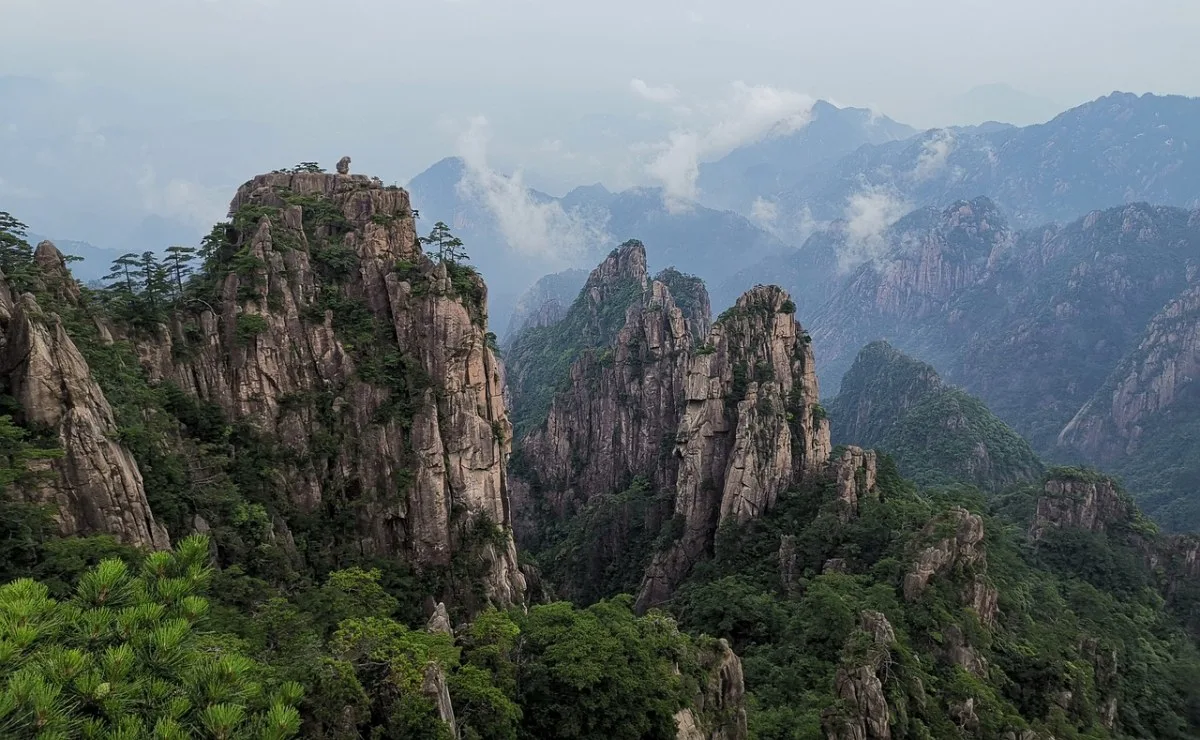
Photo: Pixabay (CC0)
Mount Huangshan
Huang Shan
China's most iconic peaks — sea of clouds and granite spires
About Mount Huangshan
Mount Huangshan is arguably the most celebrated mountain in China. Its jagged granite peaks, ancient pine trees, hot springs, and the famous sea of clouds have inspired poets, painters, and travelers for over a thousand years.
Mountain Facts
Cultural Significance
The loveliest mountain of China, inspiring classical landscape painting for centuries.
Highlights
- • Sunrise at Dawn Pavilion
- • Welcoming Pine (Yingke Song)
- • West Sea Grand Canyon trail
- • Hot springs at the base
- • Xihai Grand Canyon
When to Go
Spring (March to May): Azaleas blanket the slopes in pink and red. Temperatures 5-18 C. Morning mists are frequent — great for atmosphere but challenging for clear summit views. This is the second-busiest season. Summer (June to August): Hot (15-28 C) and humid with frequent afternoon thunderstorms. The rain creates dramatic cloud effects but can obscure views for days. July and August see the highest rainfall. Avoid if possible unless you have schedule constraints — and pack serious rain gear if you go. Autumn (September to November): The golden season. September and October offer the highest probability of clear skies and the sea of clouds. October is peak photography month with golden larch trees against grey granite. Visibility can exceed 100km on the clearest days. Avoid Golden Week (Oct 1-7). November sees temperatures drop to 0-10 C but crowds thin dramatically. Winter (December to February): Cold (-10 to 5 C) but magical. Snow blankets the peaks and rime ice coats every pine needle. The mountain is nearly empty on weekdays. Cable cars and some trails may close during heavy snow. Sunrise temperatures can hit -15 C with wind chill — bring serious winter gear.
How to Get There
By Air: Fly to Huangshan Tunxi International Airport (TXN). Direct flights from Beijing (2h), Shanghai (1h), Guangzhou (2h), and major Chinese cities. From the airport, 1-hour bus or taxi (approximately CNY 150-200) to Tangkou town at the mountain base. By High-Speed Train: Huangshan North Station on the Beijing-Fuzhou high-speed line. Direct trains from Shanghai Hongqiao (2.5h), Hangzhou (1.5h), Hefei (1h), and Beijing (5.5h). From the station, bus or taxi to Tangkou (approximately 50 minutes, CNY 30-60). Getting Up the Mountain: All visitors start at Tangkou, where you take a park shuttle bus (CNY 19) to one of three cable car stations. Eastern Steps (Yungu Temple) cable car ascends to the White Goose Ridge area. Western Steps (Mercy Light Temple) cable car reaches the Jade Screen area. Both take approximately 8-12 minutes and cost CNY 80-90 one way. If hiking, the Eastern Steps route takes 2.5-3 hours up (approximately 7km). Entry Fee: Peak season (March-November) CNY 230; off-peak (December-February) CNY 150. Cable cars: CNY 80-100 each way. Purchase tickets online through the official Huangshan WeChat mini-program during peak periods.
Frequently Asked Questions
How difficult is the hike up Mount Huangshan? +
How many days do I need for Huangshan? +
What is the best time to visit Huangshan? +
Can I visit Huangshan in winter? +
How much does it cost to visit Huangshan? +
Where should I stay on Huangshan? +
What should I pack for Huangshan? +
You May Also Like
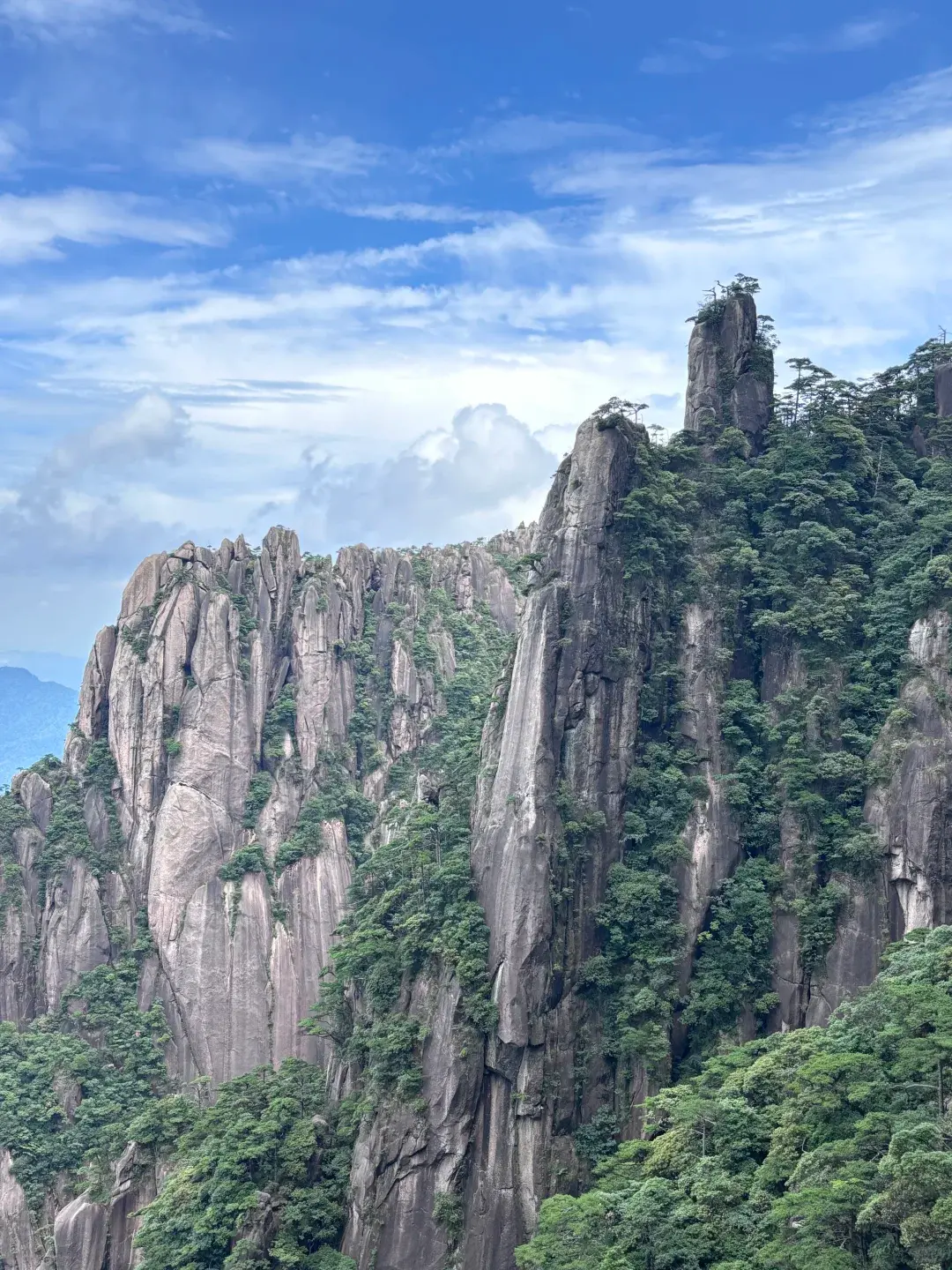
Mount Sanqing
Sanqing Shan · Jiangxi
A quieter Huangshan — granite peaks without the crowds
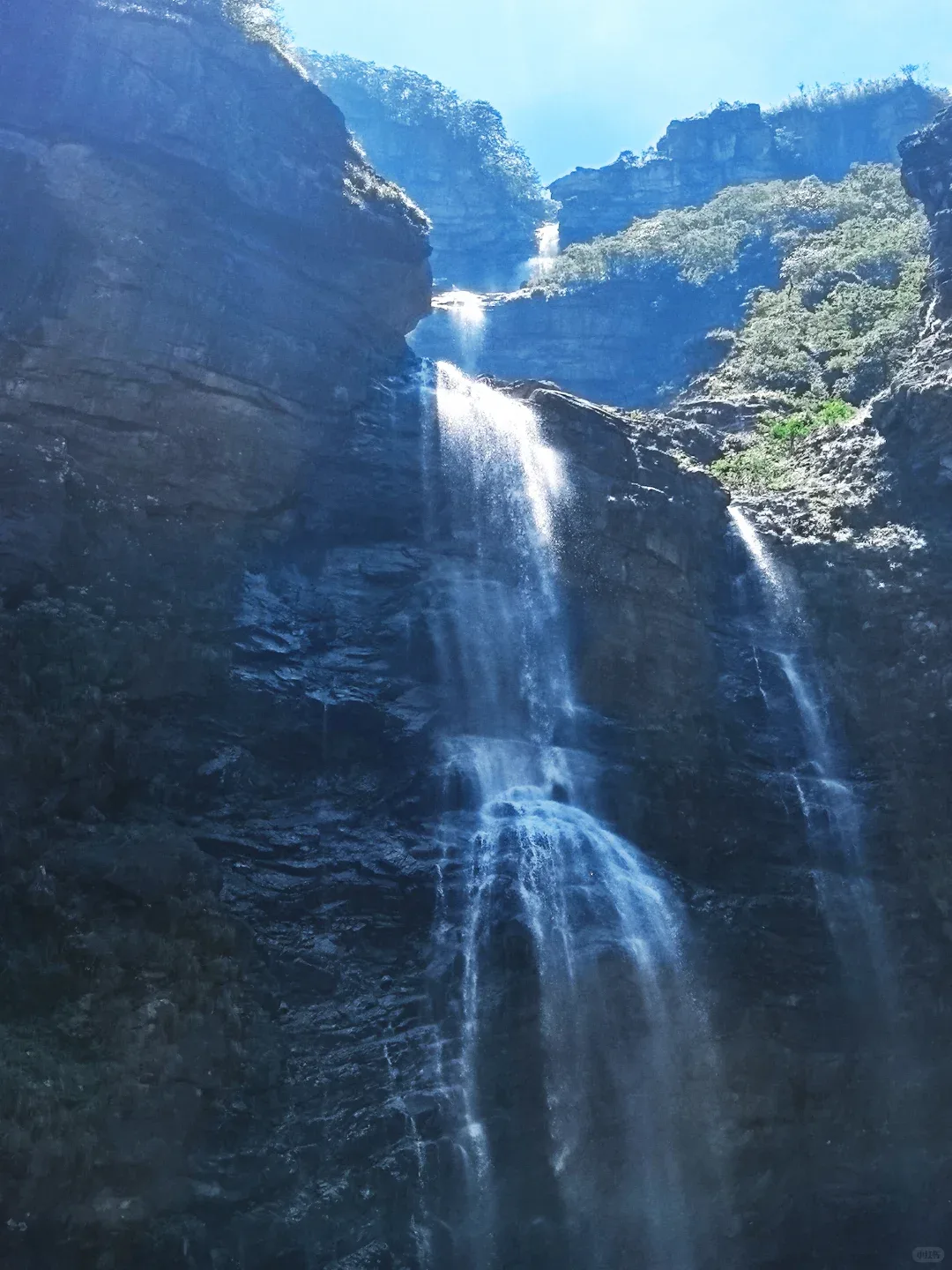
Mount Lushan
Lu Shan · Jiangxi
The mountain of poets, mist, and colonial villas — 1,500 years of inspiration
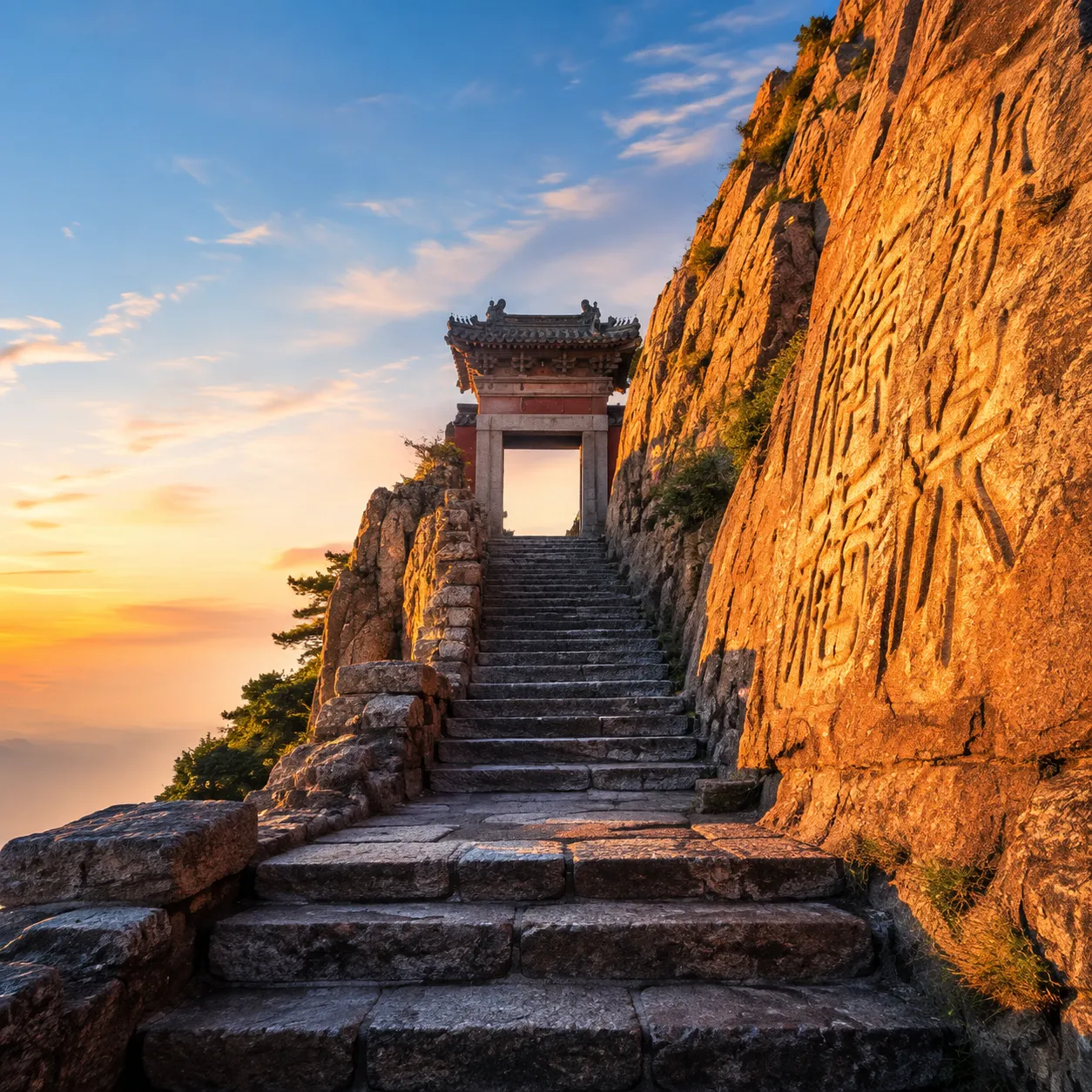
Mount Tai
Tai Shan · Shandong
The most sacred mountain — climbed by emperors for 3,000 years