Photo: Chinese Mountains
Mount Heng (Hunan)
Heng Shan (Hunan)
The Southern Great Mountain, home to 200+ temples and misty forest trails
About Mount Heng (Hunan)
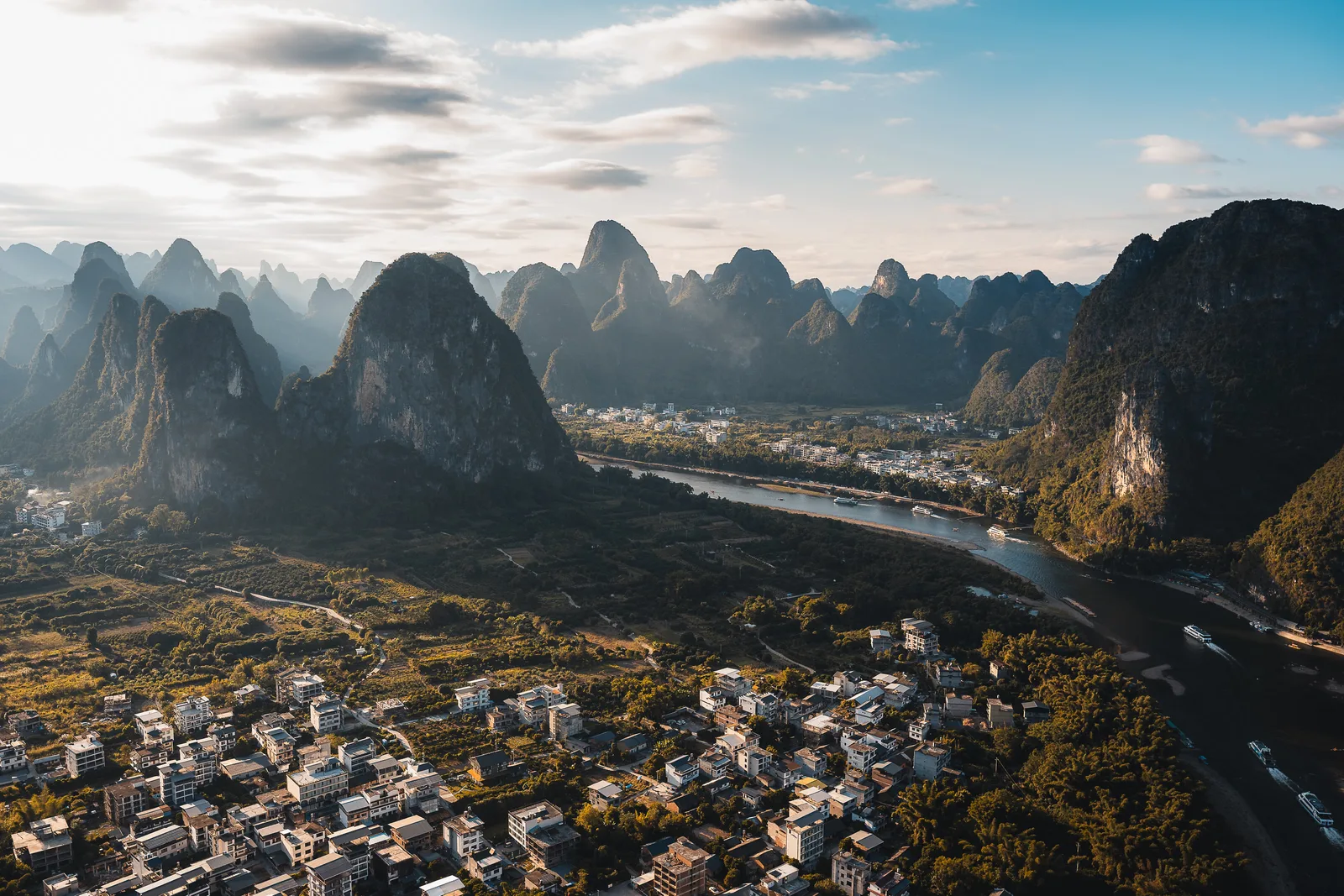
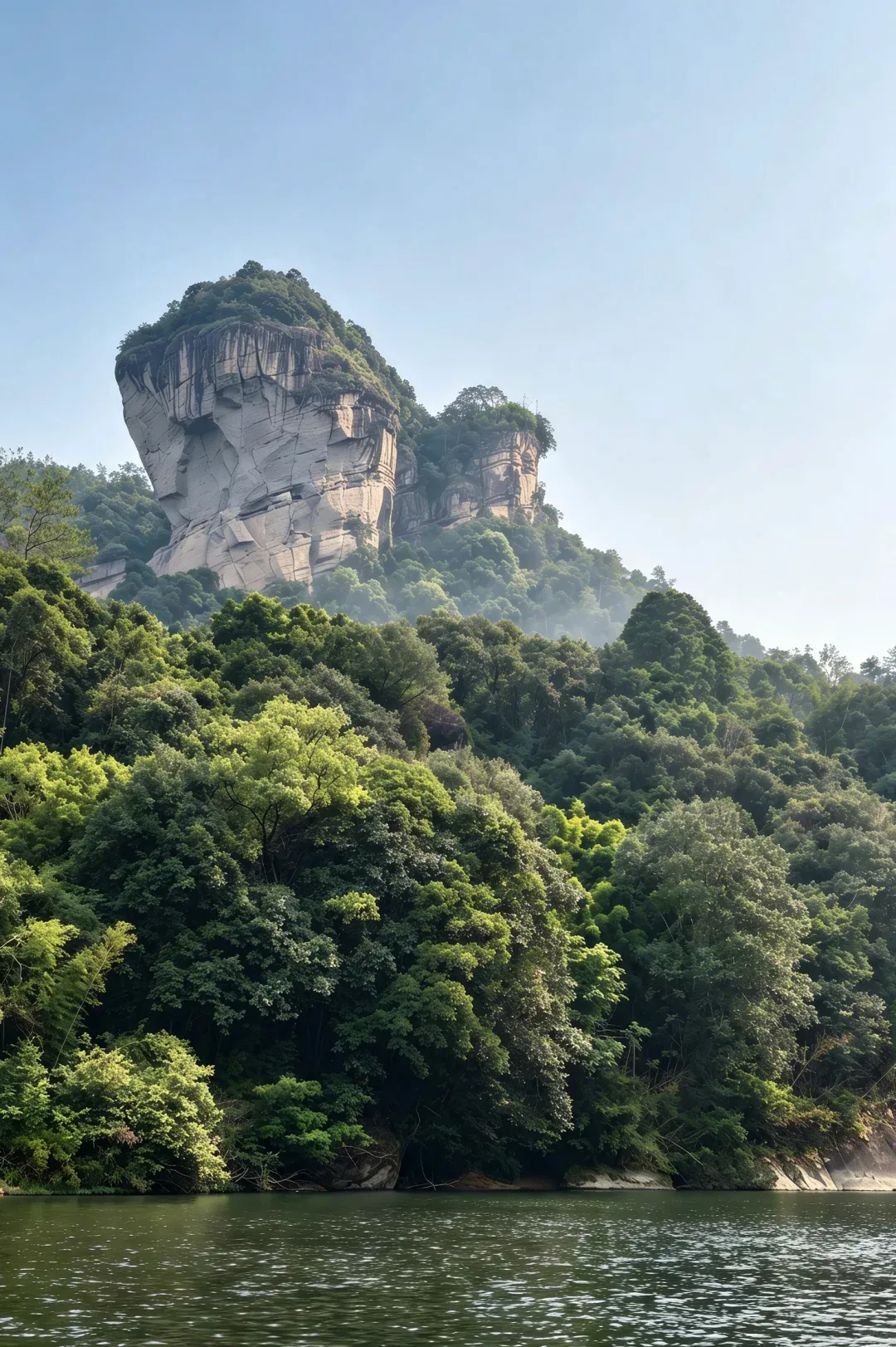
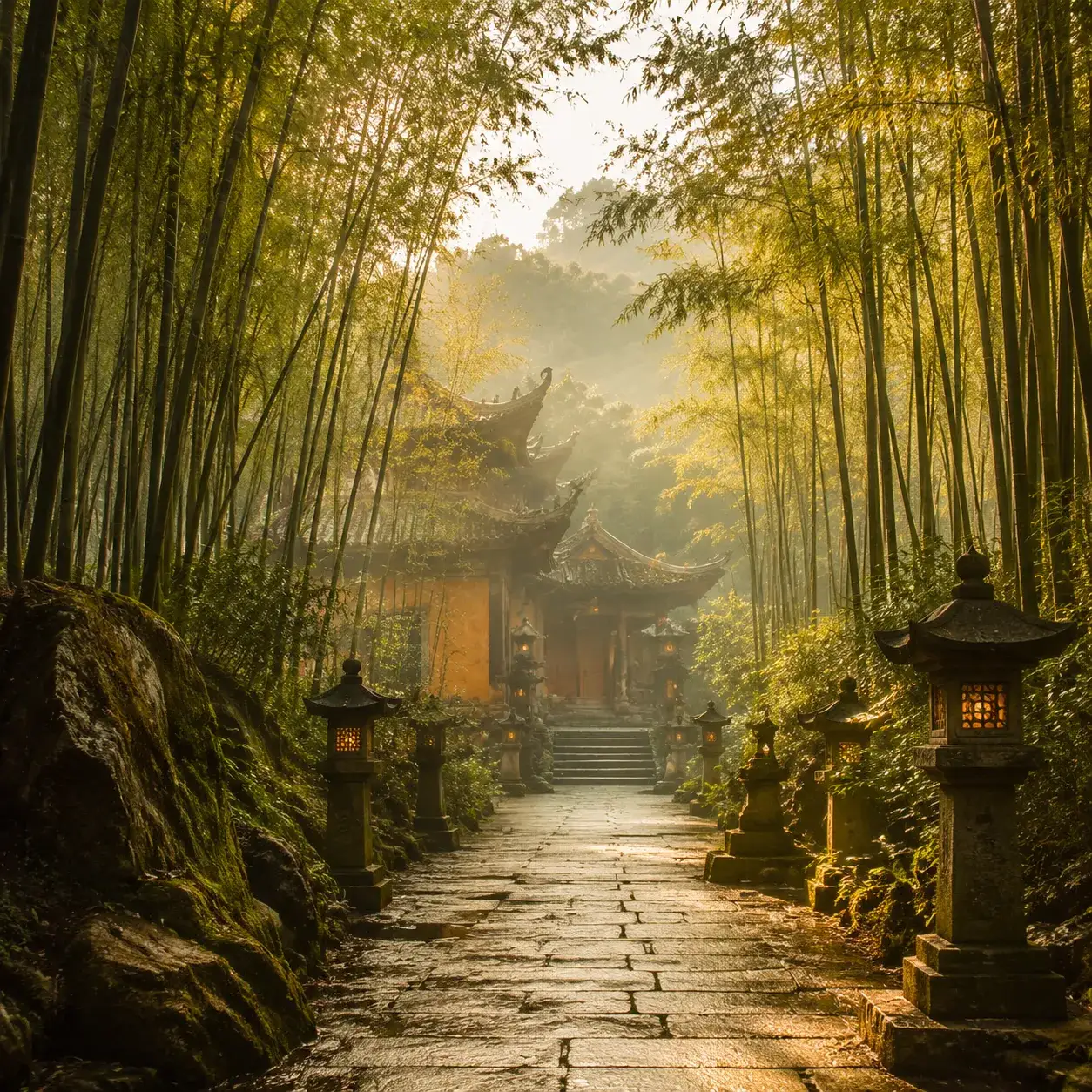
Mount Heng (Hengshan) in Hunan Province — not to be confused with its northern namesake in Shanxi — is the Southern Great Mountain (Nanyue) of China's sacred Five Great Mountains. Rising to 1,300 meters, it is not the tallest or most dramatic peak, but what it lacks in elevation it compensates with spiritual density: over 200 temples and shrines are scattered across its slopes, representing an unusual coexistence of Buddhist, Daoist, and Confucian traditions that has persisted for over 1,500 years. The mountain's most iconic structure is the Grand Temple of Nanyue at the base — a sprawling complex of nine courtyards, 72 halls, and eight Daoist temples alongside eight Buddhist monasteries, all enclosed within the same walls. It is one of the largest and best-preserved ancient architectural complexes in southern China. The summit is crowned by Zhurong Peak, named after the god of fire, where a small temple has offered panoramic views for over a thousand years. The climb follows a winding stone path through dense bamboo and pine forests, passing waterfalls, inscriptions carved by Tang Dynasty poets, and small temples where incense smoke drifts through ancient archways. Hengshan's climate creates a perpetually misty atmosphere that amplifies its spiritual ambiance — the mountain seems to float between earth and sky. Spring (March-May) brings blooming rhododendrons and comfortable hiking temperatures. The mountain is reachable from Changsha (1.5 hours by high-speed train to Hengshan West Station). Unlike the more physically demanding Mount Hua or Mount Tai, Hengshan's gentle gradient and contemplative atmosphere make it ideal for visitors seeking spiritual resonance over athletic challenge.
Mountain Facts
Cultural Significance
One of the Five Great Mountains, with over 200 temples and shrines. A center of Buddhist pilgrimage for 2000 years.
Highlights
- • Grand Temple of Mount Heng
- • Zhurong Peak summit
- • Water Curtain Cave
- • Fuyan Temple
- • Martyrs' Shrine
When to Go
Late spring (May-June) brings blooming rhododendrons at mid-elevations and mild 15-28 C weather. Autumn (September-November) is the classic season: crisp air, the famous sea of clouds above Zhurong Peak (1,300.2m) after cold fronts, and fewer pilgrims. Summer (July-August) is hot and humid at the base (up to 37 C), but the upper mountain stays 8-10 C cooler, and the night climb to see the sunrise is a beloved local tradition year-round. Winter (December-February) occasionally dusts the temples and ridges with snow — the Nanyue Temple and Zhurong Peak look spectacular under a light cover, and the mountain stays open. Peak pilgrim times: the birthday of the Fire God (6th lunar month) and Lunar New Year bring tens of thousands of incense-burning pilgrims to Nanyue Temple — atmospheric but extremely crowded.
How to Get There
By Air: Fly to Changsha Huanghua International Airport (CSX), then take the high-speed train from Changsha South to Hengshan West Station (about 30 minutes), or drive 2 hours directly. By High-Speed Train: Hengshan West Station on the Wuhan-Guangzhou line is the gateway (2h from Guangzhou, 2.5h from Wuhan). From the station, a 20-minute bus (CNY 10) or taxi (CNY 40-50) reaches the Nanyue town scenic gate. Inside the park: shuttle buses climb the mountain road to the cable car mid-station (about 30 min), and the cable car (CNY 90 round trip) finishes the ascent to near Zhurong Peak. Fit hikers follow the classic stone-step trail from Nanyue Temple — roughly 4-6 hours to the summit with 1,200m of gain. The night climb for sunrise is popular and the trail is well-lit with vendors at intervals. Entry Fee: CNY 110 (peak) / CNY 80 (off-peak).