
Photo: Chinese Mountains
Wudang Mountains
Wudang Shan
Birthplace of Tai Chi — ancient Daoist temples on misty peaks
About Wudang Mountains
The Wudang Mountains in Hubei Province occupy a unique place at the intersection of religion, martial arts, and imperial history. This is the birthplace of Tai Chi (Taijiquan) and the spiritual home of Daoist internal martial arts. During the Ming Dynasty (1368-1644), 300,000 laborers and artisans spent 12 years constructing a vast complex of Daoist temples, palaces, and monasteries across the mountain's 72 peaks — a project personally commissioned by the Yongle Emperor, who believed the Daoist god Zhenwu had helped him win his throne. The result is one of the finest surviving ensembles of Ming Dynasty architecture anywhere in China: golden-roofed halls balanced on cliff edges, stone bridges crossing deep ravines, and the iconic Golden Hall at the summit (1,612m), cast entirely in bronze and once gilded. Today, the mountain hums with the sounds of morning Tai Chi practice — groups of students in white uniforms moving through slow, deliberate forms as mist curls around ancient cypress trees. Over 50 martial arts schools operate on the mountain, and you can watch or join training sessions. UNESCO designated the Ancient Building Complex in the Wudang Mountains a World Heritage Site in 1994. For visitors, Wudang offers a rare combination: world-class Daoist architecture in a stunning mountain setting, with the living tradition of martial arts still practiced in its original home. The best seasons are spring (April-May) and autumn (September-October) when temperatures are ideal for hiking between the temples.
Mountain Facts
Cultural Significance
UNESCO-listed for exceptional Daoist architecture. Legendary birthplace of Tai Chi by Zhang Sanfeng.
Highlights
- • Golden Hall (gilded bronze summit temple)
- • Purple Cloud Palace
- • Nanyan Palace (cliff temple)
- • Tai Chi morning practice
- • 72 Peaks trail
When to Go
April-May and September-October are ideal: 12-25 C, dry trails, and the temples at their photogenic best with spring azaleas or autumn foliage. Summer (June-August) is hot and humid at the base (up to 35 C) but cooler above 1,200m; afternoon thunderstorms are common, and the Golden Summit is often cloud-wrapped by midday — go early. Winter (November-March) is cold (0-10 C) and occasionally snowy; the summit views are the clearest of the year after cold fronts, and the temple halls are nearly empty, but the 9-curve mountain road and cable cars may close during snow. The temple festival of the 3rd lunar month (April) brings pilgrim crowds. Sunrise from the Golden Summit (1,612m) is the single best moment — arrive via the first cable car at 7:30 AM.
How to Get There
By Air: The nearest airports are Wuhan Tianhe (2.5-3h drive) and Xiangyang Liuji (1.5-2h drive); both have connections to major Chinese cities. From Wuhan, take the high-speed train to Wudangshan Station (about 2 hours), then a 20-minute bus (CNY 5) or taxi to the scenic area gate at Shiyan. By High-Speed Train: Wudangshan Station on the Wuhan-Xi'an line is the main gateway. From the station, bus 202 or taxis reach the mountain gate. Alternatively, Shiyan Station (30 min away) is served by more trains. Inside the park: a shuttle bus network (CNY 100 round trip) climbs the winding mountain road to the cable car station at 1,100m; the cable car (CNY 170 round trip) reaches near the Golden Summit. The classic 3-hour stone-step trail from Nanyan to the summit is worth the effort for fit hikers. Entry Fee: CNY 140 (main ticket), plus shuttle and cable car fees.
Frequently Asked Questions
Is Wudang Mountain worth visiting? +
What is the best time to visit Wudang? +
How do I get to Wudang Mountain? +
How difficult is hiking Wudang? +
What should I bring for Wudang? +
You May Also Like
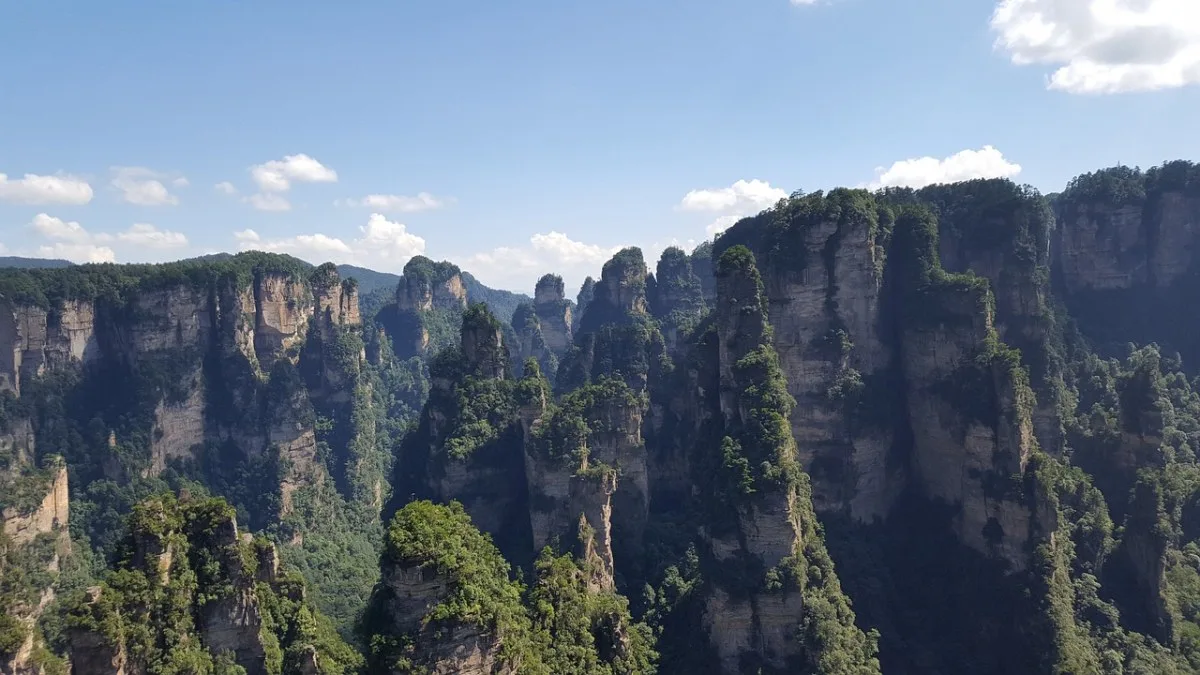
Zhangjiajie National Forest Park
Zhangjiajie · Hunan
Otherworldly quartz-sandstone pillars that inspired Avatar's floating mountains
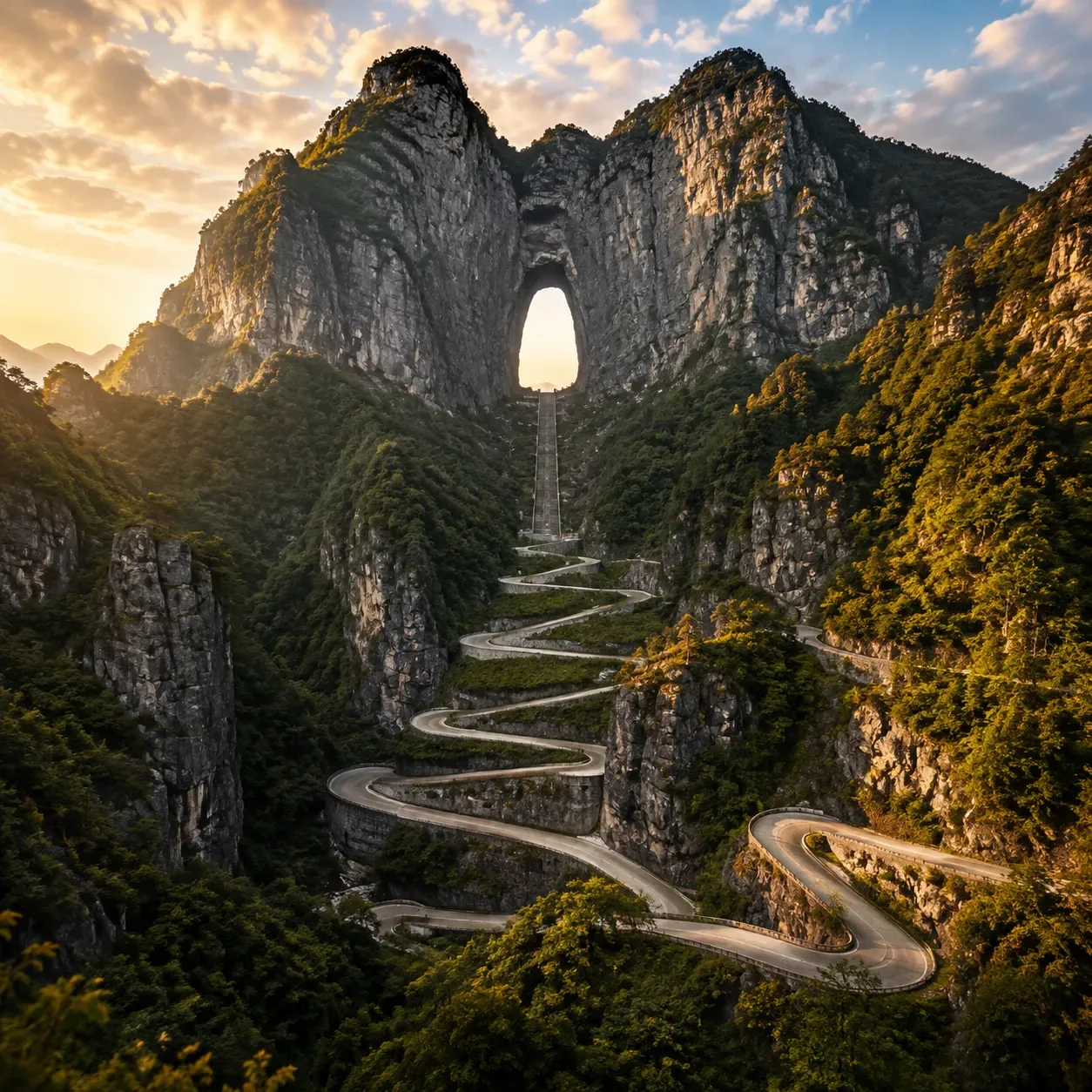
Tianmen Mountain
Tianmen Shan · Hunan
Heaven's Gate — a natural arch and the world's longest cable car
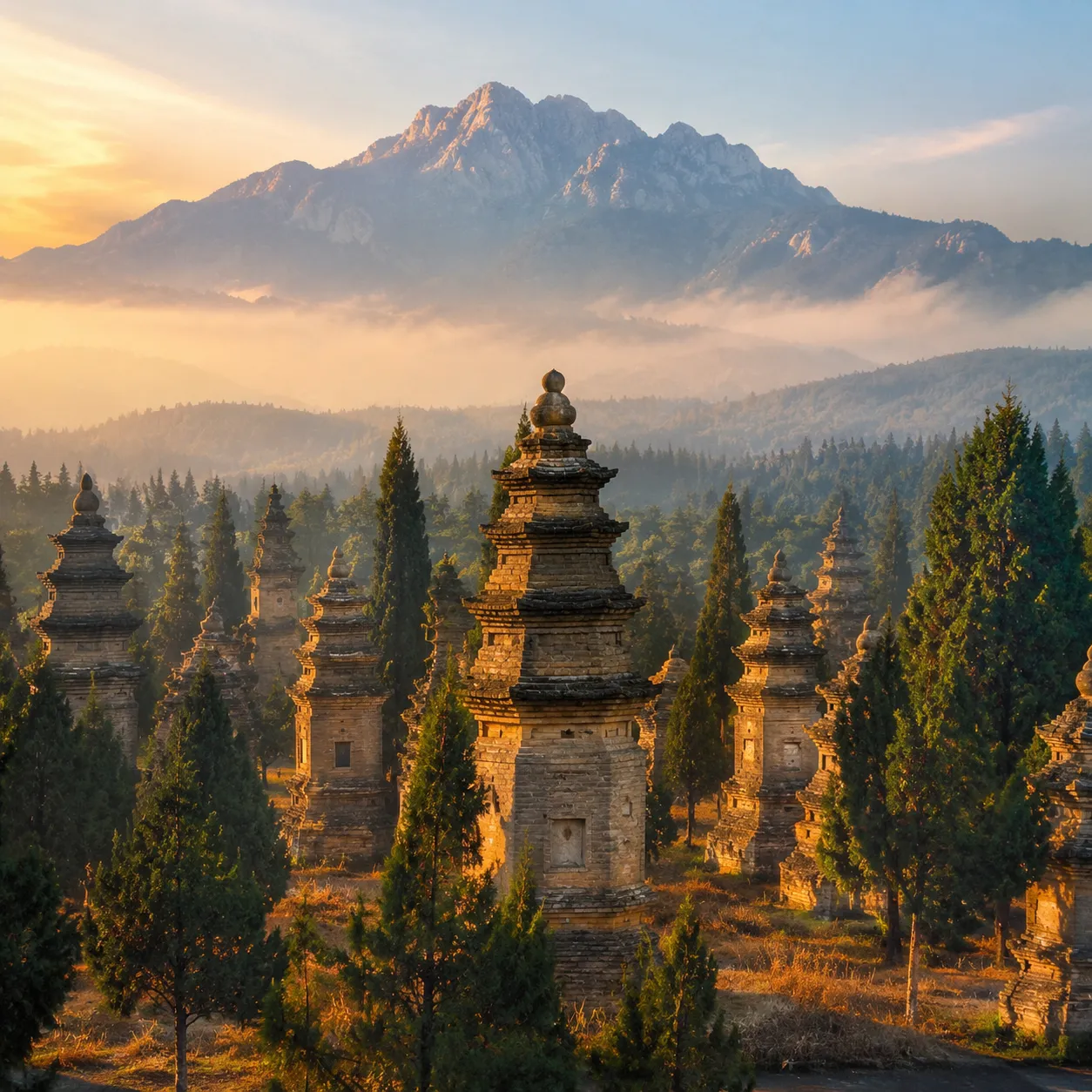
Mount Song
Song Shan · Henan
Birthplace of Shaolin kung fu and Zen Buddhism, the Central Great Mountain